# Keloid Treatment: Understanding and Managing Hypertrophic Scars
Introduction
Keloids can be both a cosmetic and psychological concern for many patients. If you’ve had an injury, surgery, or piercing and noticed the scar has grown larger than the original wound, you may be dealing with a keloid. This comprehensive guide explains what keloids are, why they form, and what modern surgical treatment options are available to help you reclaim your confidence.
What Exactly Is a Keloid?
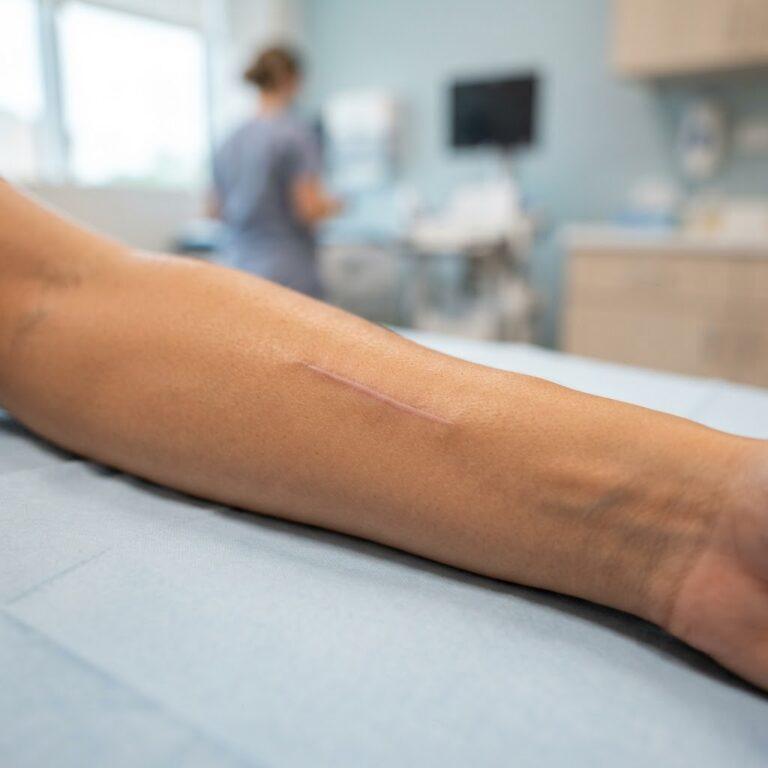
A keloid is an abnormal scar that grows beyond the boundaries of the original wound. Unlike normal scars that fade over time, keloids can continue to grow months or even years after the initial injury heals. They’re most common on the chest, shoulders, upper arms, earlobes, and areas of tension on the body.
It’s important to distinguish keloids from hypertrophic scars. Both are thickened, raised scars, but hypertrophic scars remain within the original wound boundary and often improve with time. Keloids, by contrast, extend well beyond the original injury site and rarely shrink on their own. This distinction matters because it affects your treatment options and what results you can realistically expect.
Why Do Keloids Form?
Keloid formation remains a complex process that isn’t fully understood, but we do know several key factors contribute. The underlying cause is an overzealous healing response—your body continues producing collagen long after the wound has closed, resulting in excessive scar tissue buildup.
Several factors increase your risk of developing keloids: a family history of keloid formation, skin tone (individuals with darker skin are significantly more prone to keloids), younger age, and certain body locations that experience ongoing tension or irritation. Even minor injuries such as insect bites, acne, or piercings can trigger keloid formation in susceptible individuals. If you have a history of keloids, it’s especially important to inform your surgeon before any procedure.
Treatment Options Available
The good news is that keloids are highly treatable. Several approaches exist, and the right one depends on the size, location, and depth of your keloid.
Conservative measures are often tried first and include silicone gel sheets, compression garments, and topical creams. While these can help prevent new keloids and slow growth, they rarely eliminate an established keloid completely.
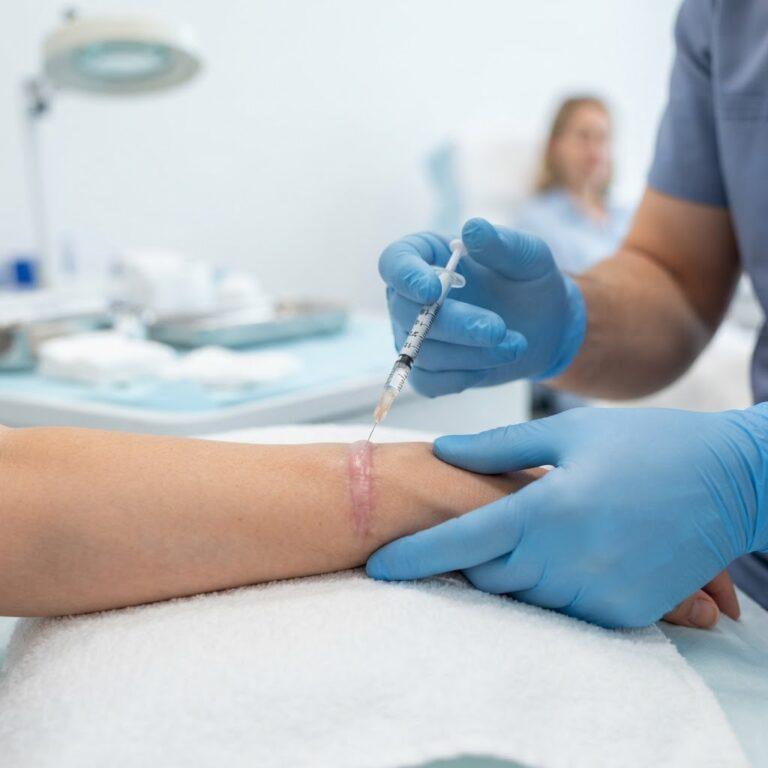
Steroid injections directly into the keloid can flatten and soften scar tissue over a series of treatments. This approach works well for smaller keloids and can be combined with other treatments for better results.
Laser therapy uses focused light energy to reduce redness, texture, and thickness. Modern fractional lasers are particularly effective and work well alongside other treatments.
Surgical removal is often the most effective solution, especially for larger or stubborn keloids. However, surgery alone carries a risk of recurrence, which is why it’s often combined with other treatments like post-operative steroid injections or laser therapy for optimal outcomes.
The Surgical Approach to Keloid Removal
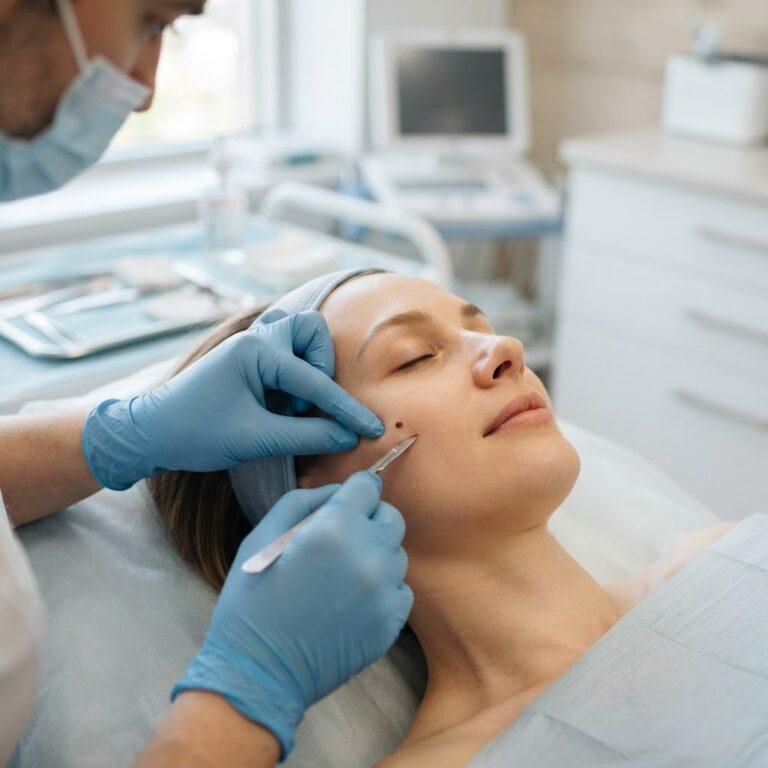
For significant keloids, surgical excision offers the best chance of long-term improvement. During the procedure, your surgeon carefully removes the keloid scar tissue while minimizing tension on the wound—a key factor in preventing recurrence.
The advantages of professional surgical treatment are substantial. A skilled surgeon can remove the keloid with precision, improve the cosmetic appearance of the scar, and significantly reduce symptoms such as itching, tenderness, or restriction of movement. Modern surgical techniques focus on creating the thinnest, least visible scar possible while minimizing the risk of keloid re-formation.
What should you expect? After surgery, you’ll need to follow careful aftercare instructions to support optimal healing and reduce recurrence risk. Most patients see gradual improvement over several months as the new surgical scar matures and fades.
Aftercare and Preventing Recurrence
How you care for your wound after surgery is just as important as the surgical technique itself. For the first 2–3 weeks, you’ll keep the wound clean and protected. Most stitches are removed within 10–14 days.
To prevent keloid recurrence, your surgeon may recommend steroid injections starting a few weeks after surgery, silicone scar sheets worn for several months, or follow-up laser treatments. Avoiding tension on the wound—through activity modification and sometimes special dressings or compression garments—is critical. Scars continue to mature and improve for up to a year or more after surgery, so patience is important.
Sun protection is also essential; newly healed scars darken easily with sun exposure. Use SPF 50+ sunscreen and consider avoiding direct sun for at least 3–6 months post-operatively.
Conclusion
Keloids can feel like an unavoidable part of your past, but modern surgical and medical treatments offer real hope for improvement. Whether you’re considering your first treatment or seeking a second opinion, the key is working with an experienced surgeon who understands keloid biology and has a proven track record of excellent outcomes.
Ready to take control of your keloid? Contact Precision Surgery today for a confidential consultation. Our experienced surgeons specialise in keloid and complex scar treatment, and we’re committed to creating the best possible outcome for you. Call us on 07822 002890 or fill out our contact form to book your appointment.