
When you need minor surgery, whether it’s mole removal, cyst excision, eyelid surgery, or scar revision, choosing the right surgeon is one of the most important decisions you’ll make. The surgeon you select will directly impact not only the outcome of your procedure but also your experience before, during, and after treatment. For many people in the UK, going private offers shorter waiting times, greater choice, and a more personalised approach. But with so many options available, how do you know who to trust?
In this guide, we’ll walk you through the key factors to consider when choosing a private surgeon for minor surgery, so you can feel confident and informed when making your decision.
1. Check Their Qualifications and Credentials
The first and most fundamental step is verifying that your surgeon is properly qualified. In the UK, this means checking that they are registered with the General Medical Council (GMC) and hold the appropriate surgical qualifications. Look for surgeons who are Fellows of the Royal College of Surgeons (FRCS), which indicates they have completed rigorous surgical training and passed comprehensive examinations.
It’s also worth looking at whether the surgeon is on the GMC’s specialist register for their relevant field. This confirms they have completed higher specialist training in that area. Don’t hesitate to ask about their credentials during your consultation. A reputable surgeon will be happy to discuss their training, qualifications, and experience openly.
Beyond formal qualifications, consider whether the surgeon is a member of relevant professional bodies such as the British Association of Plastic, Reconstructive and Aesthetic Surgeons (BAPRAS) or the British Medical Aesthetics Association. Membership in these organisations signals a commitment to maintaining high professional standards and staying up to date with the latest techniques.
2. Look for Relevant Experience in Your Specific Procedure
Not all surgeons specialise in the same procedures. A surgeon who excels at complex abdominal surgery may not be the best choice for delicate facial lesion removal. When researching private surgeons, look specifically at their experience with the procedure you need.
Ask how many times they have performed the procedure in the past year, what their complication rates are, and whether they can show you before-and-after photographs of previous patients (with consent, of course). A surgeon who focuses on minor surgery and skin lesions will typically have performed hundreds or thousands of similar procedures, giving them the refined technique and judgement that come with repetition.
For procedures like blepharoplasty (eyelid surgery) or earlobe reconstruction, precision and an eye for aesthetics matter enormously. These are areas where experience directly translates to better cosmetic outcomes. Similarly, for keloid or scar revision treatment, a surgeon who understands the different treatment modalities, from surgical excision to steroid injections, will be better equipped to recommend the most effective approach for your specific case.
3. Consider the Setting and Facilities
Where your procedure takes place is just as important as who performs it. Private surgery should be carried out in a clean, well-equipped facility that meets recognised clinical standards. Look for clinics that are registered with the Care Quality Commission (CQC) in England, which means they have been inspected and meet national standards for safety and quality of care.
The facility should have appropriate measures in place for infection control, sterile equipment, and emergency situations. Even though minor surgery is generally low-risk, it’s essential that the clinic has protocols should anything unexpected occur. Ask whether the surgeon has admitting rights at a nearby hospital, which provides an extra layer of safety if complications arise.
Also consider practical factors like location and accessibility. A clinic that’s easy to reach can make follow-up appointments less stressful, particularly if you need multiple visits for treatments like staged scar revision or serial steroid injections.
4. Read Reviews and Patient Testimonials
Patient experiences can give you valuable insight into what it’s actually like to be treated by a particular surgeon. Look for reviews on independent platforms like Doctify, Google, or Trustpilot rather than relying solely on testimonials displayed on the clinic’s own website. These independent reviews tend to be more candid and cover a broader range of experiences.
Pay attention to recurring themes rather than isolated comments. If multiple patients mention feeling rushed during consultations, that’s a pattern worth noting. Conversely, if reviews consistently praise the surgeon’s thoroughness, bedside manner, and communication, that’s a strong positive signal.
Look for reviews from patients who had the same procedure you’re considering. Their experiences will be most relevant to what you can expect, from the consultation process through to recovery and final results.
5. Assess Communication and Bedside Manner
Technical skill is essential, but so is how your surgeon communicates with you. The best private surgeons take time to listen to your concerns, explain the procedure in language you can understand, and set realistic expectations about outcomes and recovery. During your initial consultation, consider whether the surgeon:
- Listens carefully to your concerns and questions
- Explains the procedure, risks, and alternatives clearly
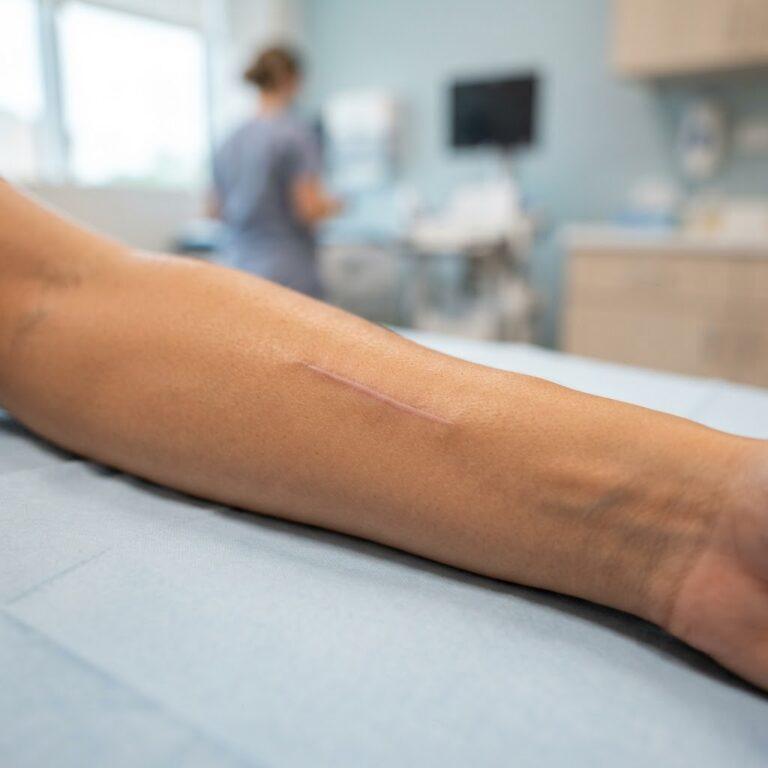
- Sets honest expectations about results and scarring
- Makes you feel comfortable and respected
- Does not pressure you into booking or adding extra procedures
A good surgeon will encourage you to ask questions and will take the time to answer them properly. They should be honest about what surgery can and cannot achieve, including the reality that all surgery leaves some form of scar. If a surgeon promises perfection or dismisses your concerns, that’s a red flag.
6. Understand the Costs and What’s Included
Private surgery costs can vary significantly, and it’s important to understand exactly what you’re paying for. When you receive a quote, check whether it includes:
- The initial consultation
- The surgical procedure itself
- Local anaesthetic or sedation
- Any histology (laboratory analysis of removed tissue)
- Follow-up appointments
- Dressings and aftercare materials
- Any treatment for complications, should they arise
A transparent pricing structure is a sign of a reputable clinic. Be wary of quotes that seem unusually low, as they may not include essential elements like histology or follow-up care. Similarly, be cautious if the price changes significantly between consultation and booking without a clear explanation.
Remember that the cheapest option is rarely the best when it comes to surgery. Your health and the cosmetic outcome are worth investing in. Focus on value rather than price alone, and consider the surgeon’s experience, the quality of the facility, and the level of aftercare provided.
7. Trust Your Instincts
After you’ve done your research, checked credentials, read reviews, and attended a consultation, trust your instincts. If something doesn’t feel right, whether it’s the cleanliness of the clinic, the way you were spoken to, or the level of information you received, it’s perfectly acceptable to seek a second opinion or choose a different surgeon.
This is your body and your health. You should feel completely confident in your surgeon before proceeding with any procedure. A good surgeon will respect your decision to take time to think, seek a second opinion, or ask further questions. They will never pressure you into making a rushed decision.
Why Choose Precision Surgery?
At Precision Surgery in Birmingham, we understand that choosing a private surgeon is a significant decision. Our consultant surgeon is fully GMC-registered and FRCS-qualified, with extensive experience in minor surgical procedures including mole removal, cyst excision, blepharoplasty, keloid treatment, scar revision, earlobe reconstruction, and lipoma removal.
We pride ourselves on providing clear, honest advice, transparent pricing, and meticulous aftercare. Every patient receives a thorough consultation where we explain the procedure, discuss expected outcomes, and answer all questions. Our facilities meet the highest clinical standards, and our patient reviews reflect our commitment to excellence.
We believe that everyone deserves access to high-quality minor surgery performed by an experienced, caring professional. Whether you need a straightforward skin lesion removed or a more complex procedure, we’re here to help you achieve the best possible outcome.
Ready to Take the Next Step?
If you’re considering minor surgery and want to discuss your options with an experienced private surgeon, we’d be delighted to help. A consultation is the best way to get personalised advice tailored to your specific needs and concerns.
Call us on 07822 002890 or fill out our contact form to book your appointment. We’ll talk through your options, answer your questions, and help you make an informed decision about your treatment. Your journey to better skin and renewed confidence starts with a conversation.
Related treatment: meet our consultant plastic surgeon.