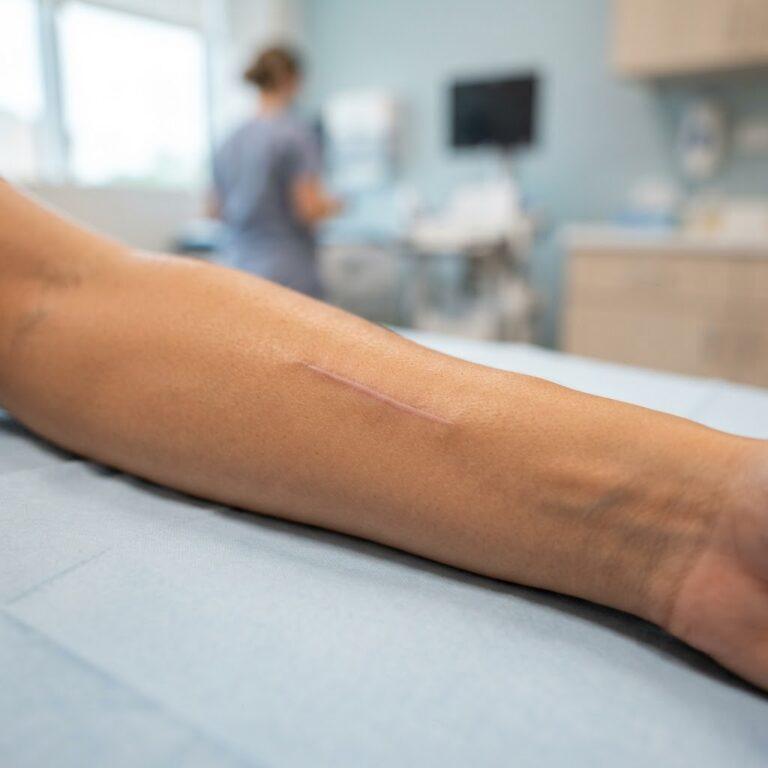
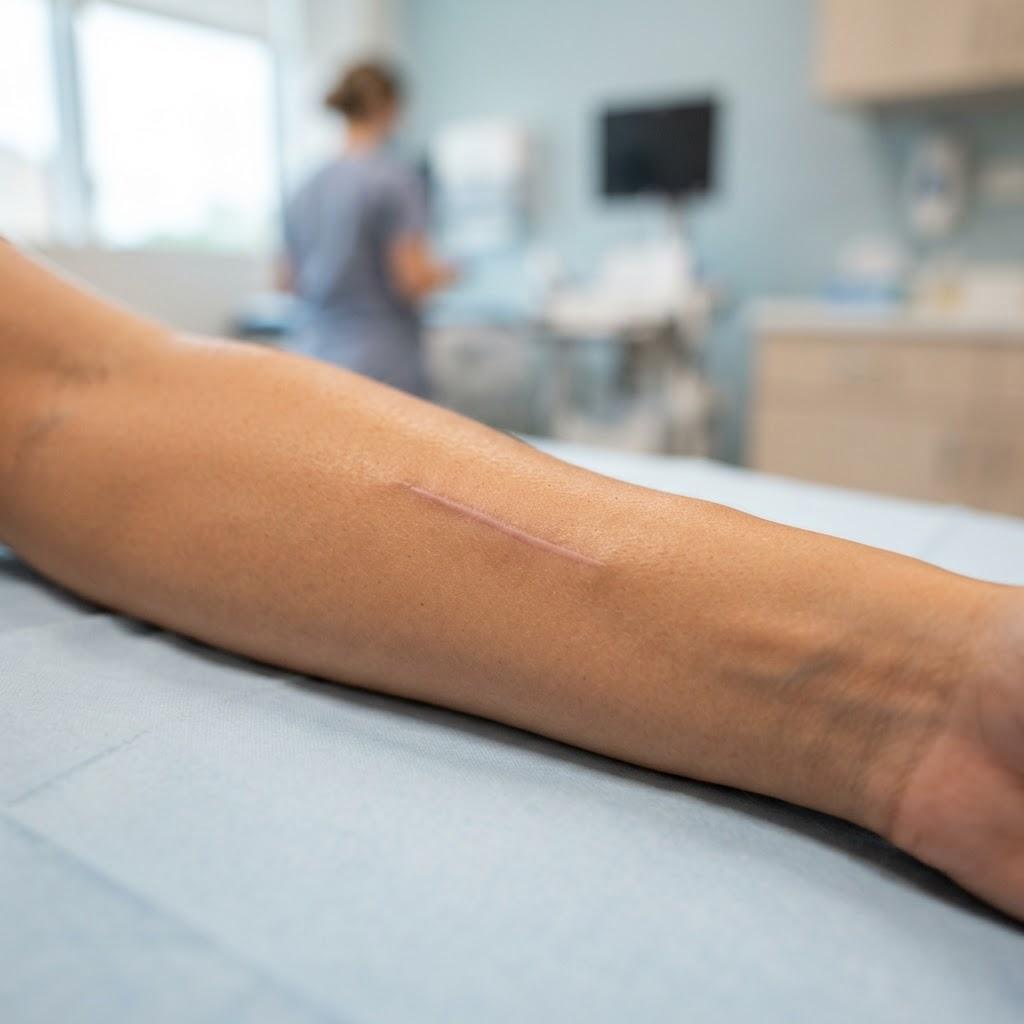
If you’re reading this, chances are you’ve recently had minor surgery, or you’re planning to, and you’re wondering what the scar will look like once everything has healed. It’s one of the most common questions patients ask, and understandably so. Scars are the visible reminder of your body’s remarkable ability to repair itself, but how they ultimately look depends on a combination of factors, some within your control and some not.
In this guide, we’ll walk you through everything you need to know about surgical scarring recovery, from the moment your procedure ends to the months that follow. We’ll cover the stages of wound healing, what you can do at home to support optimal scarring, signs that warrant a closer look, and the treatments available if your scar doesn’t settle as you’d hoped.
How Scars Form: The Body’s Natural Repair Process
Scarring is your body’s way of closing a wound and restoring the skin’s protective barrier. When the skin is cut, whether by a scalpel or by accident, your body launches a carefully orchestrated healing response that unfolds in three overlapping phases.
The first phase is the inflammatory phase, which typically lasts for the first few days after surgery. Blood clots form to stop bleeding, and white blood cells rush to the area to prevent infection. You may notice redness, mild swelling, and some warmth around the wound. This is entirely normal and is a sign that your immune system is doing its job.
The second phase is the proliferative phase, which begins around day three or four and can last for several weeks. During this stage, your body produces collagen, a tough protein that acts as the scaffolding for the new tissue. New blood vessels form to supply the healing area with oxygen and nutrients. The wound edges gradually close, and the surface of the skin begins to regenerate. At this point, the scar may appear raised, pink, or red.
The third and final phase is the remodelling phase, which can continue for twelve to eighteen months, and sometimes even longer. The collagen that was laid down quickly during the proliferative phase is gradually reorganised and strengthened. The scar becomes flatter, softer, and paler over time. This is why we always tell patients that the appearance of a scar at six weeks is not its final appearance. Patience is essential.
Factors That Influence How a Scar Heals
Not all scars heal the same way, and several factors influence the final outcome. Understanding these can help you set realistic expectations and take steps to optimise your own healing.
Genetics and skin type play a significant role. People with darker skin tones are more prone to hyperpigmentation and certain types of raised scarring, such as keloids. Those with very fair skin may find that scars remain pink for longer. If you have a family history of keloid or hypertrophic scarring, it’s worth mentioning this to your surgeon before your procedure.
The location of the scar matters too. Areas of high tension or frequent movement, such as the chest, shoulders, or over joints, tend to produce wider or more prominent scars. The face, by contrast, often heals remarkably well due to its excellent blood supply.
Age affects healing speed. Younger skin tends to heal faster but can sometimes produce more vigorous collagen responses, leading to thicker scars. Older skin may heal more slowly but often produces finer, flatter scars.
Your overall health is crucial. Conditions such as diabetes, poor circulation, or a weakened immune system can slow healing. Smoking is one of the most significant modifiable risk factors for poor wound healing, as it restricts blood flow and reduces oxygen delivery to the tissues. If you smoke, stopping before surgery and during recovery is one of the most impactful things you can do for your scar outcome.
Surgical technique also makes a difference. A skilled surgeon who takes care to minimise tissue trauma, place incisions along natural skin lines, and use fine sutures can significantly influence how a scar ultimately appears. This is one of the key advantages of choosing an experienced specialist for your procedure.
What You Can Do: Practical Tips for Optimal Scar Recovery
While you can’t change your genetics or the location of your scar, there is a great deal you can do to support healing and encourage the best possible cosmetic outcome.
Keep the Wound Clean and Moist
For the first few days after surgery, follow your surgeon’s wound care instructions carefully. Keep the area clean and dry as directed. Once the wound has closed and any sutures have been removed, keeping the scar moisturised can make a real difference. Applying a thin layer of a fragrance-free moisturiser, such as petroleum jelly or a silicone-based gel, helps to keep the scar supple and may reduce redness and thickening. Contrary to the old advice of letting wounds “dry out and scab over,” a moist healing environment generally produces better cosmetic outcomes.
Silicone Gel Sheets or Scar Gels
Silicone is one of the most well-researched and effective over-the-counter scar treatments available. Silicone gel sheets or topical silicone gels can be applied once the wound has fully closed. They work by hydrating the scar and modulating collagen production. For best results, they should be worn for at least twelve hours a day and continued for two to three months. Clinical studies have shown that silicone products can significantly improve the colour, texture, and height of surgical scars.
Sun Protection
Protecting your scar from the sun is critical, particularly during the first year of healing. UV exposure can cause a new scar to become permanently darker than the surrounding skin. Apply a broad-spectrum sunscreen with SPF 30 or higher to the scar area whenever it will be exposed to sunlight, or keep it covered with clothing. This simple step can make a substantial difference to the long-term appearance of your scar.
Gentle Massage
Once the wound has fully healed and there is no open skin, gentle scar massage can help to soften the tissue and reduce firmness. Using a moisturiser or oil, apply light pressure in circular motions along the scar for five to ten minutes, two to three times a day. This can help to break down excess collagen and encourage the scar to flatten. Start gently and gradually increase pressure as the scar matures.
Avoid Tension and Irritation
Try to avoid stretching the skin around the scar, particularly in the early weeks. If the scar is on your back or chest, avoid heavy lifting or strenuous upper-body exercise until your surgeon gives you the all-clear. Wearing loose, comfortable clothing that doesn’t rub against the scar can also help to prevent irritation.
Red Flags: When to Seek Advice
Most surgical scars heal without complication, but it’s important to know when to seek medical advice. Contact your surgeon or GP if you notice any of the following:
- Signs of infection: increasing redness, warmth, swelling, pain, or discharge from the wound. A fever or feeling generally unwell can also indicate infection.
- Wound separation: if the edges of the wound begin to open or gape, known as dehiscence.
- Excessive or spreading redness: while some redness is normal in the early stages, redness that continues to spread beyond the immediate wound area after the first week may need attention.
- Raised, thickened, or growing scar tissue: if the scar continues to enlarge beyond the original wound boundaries, becomes increasingly raised, or is itchy and uncomfortable, this may indicate hypertrophic scarring or a keloid, both of which can be treated.
- Persistent pain: some tenderness is normal, but significant pain that persists or worsens after the first couple of weeks should be assessed.
The key message is: don’t wait and worry. If something doesn’t look or feel right, a quick review can provide reassurance or catch a problem early, when it is most easily addressed.
Treatment Options for Problem Scars
Even with the best care, some scars don’t settle as well as we’d like. The good news is that there are several effective treatments available for scars that remain raised, red, wide, or symptomatic.
Steroid injections are one of the most established treatments for hypertrophic scars and keloids. A series of injections, typically spaced four to six weeks apart, can help to flatten raised scars, reduce redness, and relieve itching and discomfort. Most patients see noticeable improvement after two to three sessions.
Silicone therapy remains a first-line option and can be used alongside other treatments. For scars that haven’t responded to conservative measures, it’s often combined with steroid injections for enhanced results.
Surgical scar revision may be considered for scars that are wide, uneven, or poorly positioned. This involves removing the existing scar and re-closing the wound with meticulous surgical technique, often using a different approach to the original procedure. It’s important to note that scar revision is usually only considered once the original scar has fully matured, typically at least twelve months after the initial surgery.
Laser therapy can be effective for reducing redness in mature scars, particularly those with persistent vascular discolouration. Different laser types target different aspects of scarring, and your surgeon can advise whether this is appropriate for your specific scar.
Pressure therapy and taping can also play a role, particularly for scars in high-risk areas. Specialised pressure garments or surgical tape applied consistently over months can help to keep scars flat.
Setting Realistic Expectations
One of the most important things to understand about surgical scarring is that no scar disappears completely. The goal of good scar management is not to make the scar invisible, but to help it become as flat, soft, and well-blended with the surrounding skin as possible. A well-healed scar may be barely noticeable to others, even if you can still see it yourself.
Most scars continue to improve for at least a year, and some for longer. The dramatic changes you see in the first few months will gradually give way to more subtle improvements. During this time, consistency with your scar care routine is more important than any single intervention. Applying silicone gel daily, protecting the scar from the sun, and massaging regularly will yield better results than sporadic efforts with multiple different products.
It’s also worth remembering that scars tell a story. Whether it’s the removal of a concerning mole, the excision of a cyst that had been bothering you for years, or a procedure to improve your comfort or confidence, your scar is a sign that you took action for your health. With proper care, most people find that their scar becomes a minor detail rather than a defining feature.
Ready to Take the Next Step?
If you’re concerned about an existing scar, considering a procedure and want to understand the likely scarring outcome, or wondering whether scar revision might be right for you, we’re here to help. At Precision Surgery, we offer expert assessment and a full range of scar management options, from conservative advice to advanced treatments like steroid injections and surgical revision.
Call us on 07822 002890 or fill out our contact form to book your appointment. We’ll take the time to understand your concerns, examine your scar, and recommend a personalised plan to help you achieve the best possible outcome.
Related treatment: plastic surgery treatments and prices in Birmingham.