
Once the wound has closed, the area may initially look pinker, darker or lighter than the surrounding skin. Sun exposure can make colour changes more noticeable, particularly in the early months. Scar behaviour also depends on your skin type, the site of surgery and your individual healing tendency.
Before your appointment, wear comfortable clothing that will not press on the treatment site. Tell the clinic if you have previously reacted to local anaesthetic, have a condition that affects bleeding or healing, or are taking medicines such as aspirin, anticoagulants or supplements. Never stop prescribed medication without first discussing it with the clinician who prescribed it.
You may want to plan a quieter day after treatment, especially if the mole is on an area that is easily rubbed or visible. Most people can return to normal routines quickly, but healing skin benefits from protection. Keeping the area covered as advised can also reduce accidental scratching and help you feel more comfortable in public.
Risks, results and recurrence
Every procedure has potential risks, even when it is minor. These can include bleeding, infection, delayed healing, discomfort, temporary numbness, a visible mark or an uneven skin contour. Some people develop a change in pigmentation, and individuals who form prominent scars may be more likely to develop a raised or widened scar.
Shave excision removes the part of a mole that is above the skin, but some deeper cells can remain. In some cases, the mole may gradually reappear. If this happens, arrange a review rather than assuming that further treatment is automatically needed. Your surgeon can examine the area and consider the laboratory result, appearance and your preferences.
The result should be judged after the skin has had time to heal. Immediately after treatment, swelling, a dressing and a scab can make the area look very different from its eventual appearance. A careful consultation should cover realistic expectations, including the possibility that a small mark may remain.
Contact your treatment provider if pain, redness or swelling is worsening rather than improving, if there is pus or a fever, or if bleeding does not settle with firm continuous pressure. Seek urgent medical help for heavy bleeding or symptoms that make you feel seriously unwell.
Choosing a safe mole removal service
Choose a regulated clinic and a suitably qualified surgeon who will examine the mole before recommending treatment. Ask who will perform the procedure, whether tissue may be sent for histology, what aftercare is included and how you will receive any results. You should also receive clear information about fees, expected recovery and possible complications.
A good consultation is not a sales appointment. You should have time to ask questions and decide whether the expected benefit is worth the small but real possibility of scarring or recurrence. If the surgeon recommends a different form of mole removal, that is usually because the clinical features or desired outcome make it more suitable.
Arrange a consultation in Birmingham
Shave mole excision can be a straightforward way to treat a selected raised mole, but the safest choice always starts with an individual assessment. At Precision Surgery, we can discuss your concerns, examine the area and explain which options may be appropriate for you, including the likely healing process and scar appearance.
Call us on 07822 002890 or fill out our contact form to book your appointment. Bring any questions you have, and tell us about changes in the mole, relevant medical conditions and medicines you take so that your consultation can be as useful as possible.
This article is for general information and does not replace an examination or personalised medical advice. If you are concerned about a changing or bleeding mole, arrange a prompt assessment.
Local anaesthetic allows most patients to return home soon afterwards. You should arrange advice about driving if the treated area or dressing could affect your ability to do so. If a specimen is sent for analysis, you will be told how and when the result will be communicated.
Healing and aftercare after shave excision
Good aftercare helps the small wound heal cleanly. Follow the specific instructions given by your surgical team, as the dressing and bathing advice may vary according to the site and size of the treatment. In general, you should keep the area protected and avoid rubbing or picking at the developing scab.
- Wash your hands before touching the dressing or treated area.
- Keep the wound clean and follow instructions about when to change or remove the dressing.
- Avoid swimming, soaking and strenuous activity until the area has sufficiently healed.
- Do not apply make-up, fragranced products or non-prescribed creams unless advised.
- Protect the healing skin from direct sun and use high-factor sunscreen once the surface has closed.
It is normal to see some redness, mild swelling, a small amount of oozing or tenderness at first. A scab may form as new skin develops underneath. Healing time varies with the mole’s size and location; many small areas settle over a few weeks, while the colour and texture of the scar can continue to mature for several months.
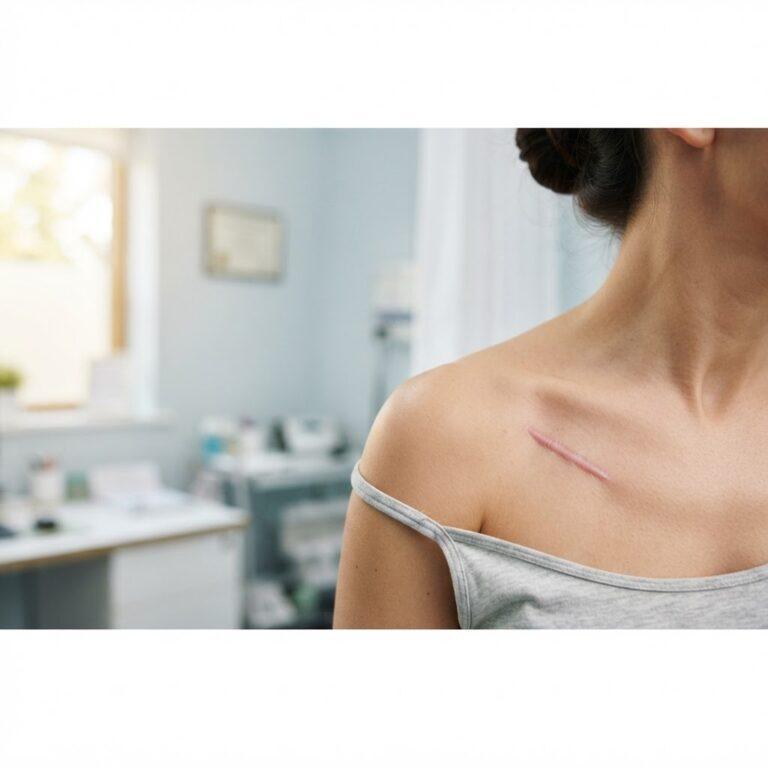
Once the wound has closed, the area may initially look pinker, darker or lighter than the surrounding skin. Sun exposure can make colour changes more noticeable, particularly in the early months. Scar behaviour also depends on your skin type, the site of surgery and your individual healing tendency.
Before your appointment, wear comfortable clothing that will not press on the treatment site. Tell the clinic if you have previously reacted to local anaesthetic, have a condition that affects bleeding or healing, or are taking medicines such as aspirin, anticoagulants or supplements. Never stop prescribed medication without first discussing it with the clinician who prescribed it.
You may want to plan a quieter day after treatment, especially if the mole is on an area that is easily rubbed or visible. Most people can return to normal routines quickly, but healing skin benefits from protection. Keeping the area covered as advised can also reduce accidental scratching and help you feel more comfortable in public.
Risks, results and recurrence
Every procedure has potential risks, even when it is minor. These can include bleeding, infection, delayed healing, discomfort, temporary numbness, a visible mark or an uneven skin contour. Some people develop a change in pigmentation, and individuals who form prominent scars may be more likely to develop a raised or widened scar.
Shave excision removes the part of a mole that is above the skin, but some deeper cells can remain. In some cases, the mole may gradually reappear. If this happens, arrange a review rather than assuming that further treatment is automatically needed. Your surgeon can examine the area and consider the laboratory result, appearance and your preferences.
The result should be judged after the skin has had time to heal. Immediately after treatment, swelling, a dressing and a scab can make the area look very different from its eventual appearance. A careful consultation should cover realistic expectations, including the possibility that a small mark may remain.
Contact your treatment provider if pain, redness or swelling is worsening rather than improving, if there is pus or a fever, or if bleeding does not settle with firm continuous pressure. Seek urgent medical help for heavy bleeding or symptoms that make you feel seriously unwell.
Choosing a safe mole removal service
Choose a regulated clinic and a suitably qualified surgeon who will examine the mole before recommending treatment. Ask who will perform the procedure, whether tissue may be sent for histology, what aftercare is included and how you will receive any results. You should also receive clear information about fees, expected recovery and possible complications.
A good consultation is not a sales appointment. You should have time to ask questions and decide whether the expected benefit is worth the small but real possibility of scarring or recurrence. If the surgeon recommends a different form of mole removal, that is usually because the clinical features or desired outcome make it more suitable.
Arrange a consultation in Birmingham
Shave mole excision can be a straightforward way to treat a selected raised mole, but the safest choice always starts with an individual assessment. At Precision Surgery, we can discuss your concerns, examine the area and explain which options may be appropriate for you, including the likely healing process and scar appearance.
Call us on 07822 002890 or fill out our contact form to book your appointment. Bring any questions you have, and tell us about changes in the mole, relevant medical conditions and medicines you take so that your consultation can be as useful as possible.
This article is for general information and does not replace an examination or personalised medical advice. If you are concerned about a changing or bleeding mole, arrange a prompt assessment.
It is important not to attempt to remove a mole at home or use an unregulated product. Cutting, burning or tying off a mole can cause infection, bleeding and an uncertain cosmetic result, and may make later diagnosis more difficult.
Because the technique is tailored to the individual lesion, the final plan should be agreed after examination, not selected from a menu of treatments.
What happens during the procedure?
Shave mole excision is usually performed as an outpatient or day-case procedure. Before starting, the surgeon confirms the mole to be treated, discusses the planned method and answers any final questions. A photograph may be taken for your clinical records, and the area is cleaned carefully.
A small injection of local anaesthetic numbs the skin. You may feel a brief sting or pressure, but you should not feel sharp pain during the removal. Once the area is numb, the surgeon uses a sterile blade to remove the raised tissue in a controlled manner. Any minor bleeding is stopped, often with gentle pressure or a suitable cautery technique.
The wound is dressed with a small protective dressing. Because the skin is not usually closed with stitches, the treated area may look like a shallow graze immediately afterwards. The procedure itself is commonly short, although the total appointment includes preparation, consent and aftercare advice.
Local anaesthetic allows most patients to return home soon afterwards. You should arrange advice about driving if the treated area or dressing could affect your ability to do so. If a specimen is sent for analysis, you will be told how and when the result will be communicated.
Healing and aftercare after shave excision
Good aftercare helps the small wound heal cleanly. Follow the specific instructions given by your surgical team, as the dressing and bathing advice may vary according to the site and size of the treatment. In general, you should keep the area protected and avoid rubbing or picking at the developing scab.
- Wash your hands before touching the dressing or treated area.
- Keep the wound clean and follow instructions about when to change or remove the dressing.
- Avoid swimming, soaking and strenuous activity until the area has sufficiently healed.
- Do not apply make-up, fragranced products or non-prescribed creams unless advised.
- Protect the healing skin from direct sun and use high-factor sunscreen once the surface has closed.
It is normal to see some redness, mild swelling, a small amount of oozing or tenderness at first. A scab may form as new skin develops underneath. Healing time varies with the mole’s size and location; many small areas settle over a few weeks, while the colour and texture of the scar can continue to mature for several months.
Once the wound has closed, the area may initially look pinker, darker or lighter than the surrounding skin. Sun exposure can make colour changes more noticeable, particularly in the early months. Scar behaviour also depends on your skin type, the site of surgery and your individual healing tendency.
Before your appointment, wear comfortable clothing that will not press on the treatment site. Tell the clinic if you have previously reacted to local anaesthetic, have a condition that affects bleeding or healing, or are taking medicines such as aspirin, anticoagulants or supplements. Never stop prescribed medication without first discussing it with the clinician who prescribed it.
You may want to plan a quieter day after treatment, especially if the mole is on an area that is easily rubbed or visible. Most people can return to normal routines quickly, but healing skin benefits from protection. Keeping the area covered as advised can also reduce accidental scratching and help you feel more comfortable in public.
Risks, results and recurrence
Every procedure has potential risks, even when it is minor. These can include bleeding, infection, delayed healing, discomfort, temporary numbness, a visible mark or an uneven skin contour. Some people develop a change in pigmentation, and individuals who form prominent scars may be more likely to develop a raised or widened scar.
Shave excision removes the part of a mole that is above the skin, but some deeper cells can remain. In some cases, the mole may gradually reappear. If this happens, arrange a review rather than assuming that further treatment is automatically needed. Your surgeon can examine the area and consider the laboratory result, appearance and your preferences.
The result should be judged after the skin has had time to heal. Immediately after treatment, swelling, a dressing and a scab can make the area look very different from its eventual appearance. A careful consultation should cover realistic expectations, including the possibility that a small mark may remain.
Contact your treatment provider if pain, redness or swelling is worsening rather than improving, if there is pus or a fever, or if bleeding does not settle with firm continuous pressure. Seek urgent medical help for heavy bleeding or symptoms that make you feel seriously unwell.
Choosing a safe mole removal service
Choose a regulated clinic and a suitably qualified surgeon who will examine the mole before recommending treatment. Ask who will perform the procedure, whether tissue may be sent for histology, what aftercare is included and how you will receive any results. You should also receive clear information about fees, expected recovery and possible complications.
A good consultation is not a sales appointment. You should have time to ask questions and decide whether the expected benefit is worth the small but real possibility of scarring or recurrence. If the surgeon recommends a different form of mole removal, that is usually because the clinical features or desired outcome make it more suitable.
Arrange a consultation in Birmingham
Shave mole excision can be a straightforward way to treat a selected raised mole, but the safest choice always starts with an individual assessment. At Precision Surgery, we can discuss your concerns, examine the area and explain which options may be appropriate for you, including the likely healing process and scar appearance.
Call us on 07822 002890 or fill out our contact form to book your appointment. Bring any questions you have, and tell us about changes in the mole, relevant medical conditions and medicines you take so that your consultation can be as useful as possible.
This article is for general information and does not replace an examination or personalised medical advice. If you are concerned about a changing or bleeding mole, arrange a prompt assessment.
The removed tissue may be sent to a laboratory for histological examination. Whether this is advised depends on the mole’s appearance, your history and your surgeon’s assessment. A laboratory report can confirm the diagnosis and is an important part of safe practice when tissue is removed.
Is shave excision suitable for your mole?
The first step is a consultation rather than choosing a technique based only on photographs or online descriptions. Your surgeon will examine the mole, ask how long it has been present and check whether it has changed. Changes in size, shape or colour, bleeding, persistent itching, crusting or a new mole that looks different from the others should be assessed promptly.
Shave excision may be suitable when a mole is raised, appears clinically benign and the main aim is to reduce its projection or improve its appearance. It can be useful for a lesion that repeatedly catches on clothing or jewellery. However, it is not the right option for every mole, and a different procedure may be safer or provide a better result.
- Flat or deeply rooted moles: an elliptical excision may be considered if complete removal is needed.
- Suspicious features: the surgeon may recommend a biopsy or formal excision with appropriate margins.
- Very large lesions: removal may require more detailed planning to manage the wound and final scar.
- Cosmetic concerns: your surgeon will explain the likely contour, colour change and scar before you decide.
It is important not to attempt to remove a mole at home or use an unregulated product. Cutting, burning or tying off a mole can cause infection, bleeding and an uncertain cosmetic result, and may make later diagnosis more difficult.
Because the technique is tailored to the individual lesion, the final plan should be agreed after examination, not selected from a menu of treatments.
What happens during the procedure?
Shave mole excision is usually performed as an outpatient or day-case procedure. Before starting, the surgeon confirms the mole to be treated, discusses the planned method and answers any final questions. A photograph may be taken for your clinical records, and the area is cleaned carefully.
A small injection of local anaesthetic numbs the skin. You may feel a brief sting or pressure, but you should not feel sharp pain during the removal. Once the area is numb, the surgeon uses a sterile blade to remove the raised tissue in a controlled manner. Any minor bleeding is stopped, often with gentle pressure or a suitable cautery technique.
The wound is dressed with a small protective dressing. Because the skin is not usually closed with stitches, the treated area may look like a shallow graze immediately afterwards. The procedure itself is commonly short, although the total appointment includes preparation, consent and aftercare advice.
Local anaesthetic allows most patients to return home soon afterwards. You should arrange advice about driving if the treated area or dressing could affect your ability to do so. If a specimen is sent for analysis, you will be told how and when the result will be communicated.
Healing and aftercare after shave excision
Good aftercare helps the small wound heal cleanly. Follow the specific instructions given by your surgical team, as the dressing and bathing advice may vary according to the site and size of the treatment. In general, you should keep the area protected and avoid rubbing or picking at the developing scab.
- Wash your hands before touching the dressing or treated area.
- Keep the wound clean and follow instructions about when to change or remove the dressing.
- Avoid swimming, soaking and strenuous activity until the area has sufficiently healed.
- Do not apply make-up, fragranced products or non-prescribed creams unless advised.
- Protect the healing skin from direct sun and use high-factor sunscreen once the surface has closed.
It is normal to see some redness, mild swelling, a small amount of oozing or tenderness at first. A scab may form as new skin develops underneath. Healing time varies with the mole’s size and location; many small areas settle over a few weeks, while the colour and texture of the scar can continue to mature for several months.
Once the wound has closed, the area may initially look pinker, darker or lighter than the surrounding skin. Sun exposure can make colour changes more noticeable, particularly in the early months. Scar behaviour also depends on your skin type, the site of surgery and your individual healing tendency.
Before your appointment, wear comfortable clothing that will not press on the treatment site. Tell the clinic if you have previously reacted to local anaesthetic, have a condition that affects bleeding or healing, or are taking medicines such as aspirin, anticoagulants or supplements. Never stop prescribed medication without first discussing it with the clinician who prescribed it.
You may want to plan a quieter day after treatment, especially if the mole is on an area that is easily rubbed or visible. Most people can return to normal routines quickly, but healing skin benefits from protection. Keeping the area covered as advised can also reduce accidental scratching and help you feel more comfortable in public.
Risks, results and recurrence
Every procedure has potential risks, even when it is minor. These can include bleeding, infection, delayed healing, discomfort, temporary numbness, a visible mark or an uneven skin contour. Some people develop a change in pigmentation, and individuals who form prominent scars may be more likely to develop a raised or widened scar.
Shave excision removes the part of a mole that is above the skin, but some deeper cells can remain. In some cases, the mole may gradually reappear. If this happens, arrange a review rather than assuming that further treatment is automatically needed. Your surgeon can examine the area and consider the laboratory result, appearance and your preferences.
The result should be judged after the skin has had time to heal. Immediately after treatment, swelling, a dressing and a scab can make the area look very different from its eventual appearance. A careful consultation should cover realistic expectations, including the possibility that a small mark may remain.
Contact your treatment provider if pain, redness or swelling is worsening rather than improving, if there is pus or a fever, or if bleeding does not settle with firm continuous pressure. Seek urgent medical help for heavy bleeding or symptoms that make you feel seriously unwell.
Choosing a safe mole removal service
Choose a regulated clinic and a suitably qualified surgeon who will examine the mole before recommending treatment. Ask who will perform the procedure, whether tissue may be sent for histology, what aftercare is included and how you will receive any results. You should also receive clear information about fees, expected recovery and possible complications.
A good consultation is not a sales appointment. You should have time to ask questions and decide whether the expected benefit is worth the small but real possibility of scarring or recurrence. If the surgeon recommends a different form of mole removal, that is usually because the clinical features or desired outcome make it more suitable.
Arrange a consultation in Birmingham
Shave mole excision can be a straightforward way to treat a selected raised mole, but the safest choice always starts with an individual assessment. At Precision Surgery, we can discuss your concerns, examine the area and explain which options may be appropriate for you, including the likely healing process and scar appearance.
Call us on 07822 002890 or fill out our contact form to book your appointment. Bring any questions you have, and tell us about changes in the mole, relevant medical conditions and medicines you take so that your consultation can be as useful as possible.
This article is for general information and does not replace an examination or personalised medical advice. If you are concerned about a changing or bleeding mole, arrange a prompt assessment.
A raised or protruding mole can catch on clothing, snag when shaving, or simply make you feel self-conscious. If you are considering having it removed, you may have heard the term shave mole excision. This minor surgical technique can be suitable for selected raised moles and is often completed quickly under local anaesthetic.
Understanding the assessment, treatment and recovery process can make your decision much easier. In this guide, we explain what shave excision involves, when it may be recommended, what happens on the day, how to care for the area afterwards and when another method may be more appropriate.
What is shave mole excision?
Shave mole excision removes a raised mole by gently shaving it level with the surrounding skin. The surgeon numbs the area with a local anaesthetic, then uses a sterile surgical blade to carefully remove the visible portion. The aim is to achieve a smooth contour while preserving as much healthy skin as possible.
Unlike an elliptical excision, which removes the mole and a margin of surrounding skin before closing the wound with stitches, shave excision usually leaves a shallow, open area that heals naturally. It is therefore most commonly considered for moles that project above the skin and appear suitable after clinical examination.
The removed tissue may be sent to a laboratory for histological examination. Whether this is advised depends on the mole’s appearance, your history and your surgeon’s assessment. A laboratory report can confirm the diagnosis and is an important part of safe practice when tissue is removed.
Is shave excision suitable for your mole?
The first step is a consultation rather than choosing a technique based only on photographs or online descriptions. Your surgeon will examine the mole, ask how long it has been present and check whether it has changed. Changes in size, shape or colour, bleeding, persistent itching, crusting or a new mole that looks different from the others should be assessed promptly.
Shave excision may be suitable when a mole is raised, appears clinically benign and the main aim is to reduce its projection or improve its appearance. It can be useful for a lesion that repeatedly catches on clothing or jewellery. However, it is not the right option for every mole, and a different procedure may be safer or provide a better result.
- Flat or deeply rooted moles: an elliptical excision may be considered if complete removal is needed.
- Suspicious features: the surgeon may recommend a biopsy or formal excision with appropriate margins.
- Very large lesions: removal may require more detailed planning to manage the wound and final scar.
- Cosmetic concerns: your surgeon will explain the likely contour, colour change and scar before you decide.
It is important not to attempt to remove a mole at home or use an unregulated product. Cutting, burning or tying off a mole can cause infection, bleeding and an uncertain cosmetic result, and may make later diagnosis more difficult.
Because the technique is tailored to the individual lesion, the final plan should be agreed after examination, not selected from a menu of treatments.
What happens during the procedure?
Shave mole excision is usually performed as an outpatient or day-case procedure. Before starting, the surgeon confirms the mole to be treated, discusses the planned method and answers any final questions. A photograph may be taken for your clinical records, and the area is cleaned carefully.
A small injection of local anaesthetic numbs the skin. You may feel a brief sting or pressure, but you should not feel sharp pain during the removal. Once the area is numb, the surgeon uses a sterile blade to remove the raised tissue in a controlled manner. Any minor bleeding is stopped, often with gentle pressure or a suitable cautery technique.
The wound is dressed with a small protective dressing. Because the skin is not usually closed with stitches, the treated area may look like a shallow graze immediately afterwards. The procedure itself is commonly short, although the total appointment includes preparation, consent and aftercare advice.
Local anaesthetic allows most patients to return home soon afterwards. You should arrange advice about driving if the treated area or dressing could affect your ability to do so. If a specimen is sent for analysis, you will be told how and when the result will be communicated.
Healing and aftercare after shave excision
Good aftercare helps the small wound heal cleanly. Follow the specific instructions given by your surgical team, as the dressing and bathing advice may vary according to the site and size of the treatment. In general, you should keep the area protected and avoid rubbing or picking at the developing scab.
- Wash your hands before touching the dressing or treated area.
- Keep the wound clean and follow instructions about when to change or remove the dressing.
- Avoid swimming, soaking and strenuous activity until the area has sufficiently healed.
- Do not apply make-up, fragranced products or non-prescribed creams unless advised.
- Protect the healing skin from direct sun and use high-factor sunscreen once the surface has closed.
It is normal to see some redness, mild swelling, a small amount of oozing or tenderness at first. A scab may form as new skin develops underneath. Healing time varies with the mole’s size and location; many small areas settle over a few weeks, while the colour and texture of the scar can continue to mature for several months.
Once the wound has closed, the area may initially look pinker, darker or lighter than the surrounding skin. Sun exposure can make colour changes more noticeable, particularly in the early months. Scar behaviour also depends on your skin type, the site of surgery and your individual healing tendency.
Before your appointment, wear comfortable clothing that will not press on the treatment site. Tell the clinic if you have previously reacted to local anaesthetic, have a condition that affects bleeding or healing, or are taking medicines such as aspirin, anticoagulants or supplements. Never stop prescribed medication without first discussing it with the clinician who prescribed it.
You may want to plan a quieter day after treatment, especially if the mole is on an area that is easily rubbed or visible. Most people can return to normal routines quickly, but healing skin benefits from protection. Keeping the area covered as advised can also reduce accidental scratching and help you feel more comfortable in public.
Risks, results and recurrence
Every procedure has potential risks, even when it is minor. These can include bleeding, infection, delayed healing, discomfort, temporary numbness, a visible mark or an uneven skin contour. Some people develop a change in pigmentation, and individuals who form prominent scars may be more likely to develop a raised or widened scar.
Shave excision removes the part of a mole that is above the skin, but some deeper cells can remain. In some cases, the mole may gradually reappear. If this happens, arrange a review rather than assuming that further treatment is automatically needed. Your surgeon can examine the area and consider the laboratory result, appearance and your preferences.
The result should be judged after the skin has had time to heal. Immediately after treatment, swelling, a dressing and a scab can make the area look very different from its eventual appearance. A careful consultation should cover realistic expectations, including the possibility that a small mark may remain.
Contact your treatment provider if pain, redness or swelling is worsening rather than improving, if there is pus or a fever, or if bleeding does not settle with firm continuous pressure. Seek urgent medical help for heavy bleeding or symptoms that make you feel seriously unwell.
Choosing a safe mole removal service
Choose a regulated clinic and a suitably qualified surgeon who will examine the mole before recommending treatment. Ask who will perform the procedure, whether tissue may be sent for histology, what aftercare is included and how you will receive any results. You should also receive clear information about fees, expected recovery and possible complications.
A good consultation is not a sales appointment. You should have time to ask questions and decide whether the expected benefit is worth the small but real possibility of scarring or recurrence. If the surgeon recommends a different form of mole removal, that is usually because the clinical features or desired outcome make it more suitable.
Arrange a consultation in Birmingham
Shave mole excision can be a straightforward way to treat a selected raised mole, but the safest choice always starts with an individual assessment. At Precision Surgery, we can discuss your concerns, examine the area and explain which options may be appropriate for you, including the likely healing process and scar appearance.
Call us on 07822 002890 or fill out our contact form to book your appointment. Bring any questions you have, and tell us about changes in the mole, relevant medical conditions and medicines you take so that your consultation can be as useful as possible.
This article is for general information and does not replace an examination or personalised medical advice. If you are concerned about a changing or bleeding mole, arrange a prompt assessment.