If you’ve been advised to have a mole removed, a cyst excised, or a lipoma taken out, you may be wondering what the process actually involves. The word “surgery” can sound intimidating, but minor surgery is very different from an overnight hospital stay. These procedures are typically carried out in under an hour, using local anaesthetic, and you go home the same day.
It’s also worth saying upfront: “minor” describes the scale of the operation, not the standard of care. Every procedure is planned, performed and reviewed with the same rigour, because the appearance of the final scar and the accuracy of the diagnosis matter just as much as the removal itself.
This guide walks you through the entire journey, from your first consultation to your final scar review, so you know exactly what to expect at Precision Surgery in Birmingham.
What Counts as Minor Surgery?
Minor surgery covers a wide range of procedures performed on the skin and just beneath it. The common thread is that they can be done safely under local anaesthetic, meaning the area is numbed and you stay awake throughout. You won’t need a general anaesthetic, an overnight stay, or a lengthy fast before the operation.
Typical procedures include:
- Mole removal – surgical excision or shave excision of concerning or bothersome moles
- Cyst removal – excision of sebaceous cysts, epidermoid cysts and pilar cysts
- Lipoma removal – removing benign fatty lumps from under the skin
- Earlobe repair – correcting split, torn or stretched earlobes
- Skin lesion removal – removing skin tags, warts and other benign growths
- Scar revision – improving the appearance or function of problematic scars
- Ganglion cyst removal – excision of ganglia around the wrist and hand
What these all have in common is that they’re performed with precision, with careful attention to where incisions are placed so that any resulting scar sits in the best possible position and heals as invisibly as it can.
Your First Appointment: The Consultation
Everything starts with a consultation. This is your opportunity to discuss the lump, lesion or scar that’s bothering you, and it’s also when your surgeon makes sure the procedure is genuinely the right option for you.
At this appointment, your surgeon will:
- Ask about your symptoms, how long the lesion has been there, and whether it has changed
- Examine the area carefully, sometimes with a bright light or magnification
- Check your general health, medications and any bleeding tendencies
- Discuss whether removal is recommended, and which technique suits you best
- Explain the procedure, the likely scarring, and the recovery timeline
- Give you a clear, all-inclusive price with no hidden extras
Not every lump needs to come out. If a lesion looks completely benign and isn’t causing symptoms, your surgeon will tell you so. If removal is advised, this is usually because the lesion is catching, irritated, unsightly, or because there’s any uncertainty about its nature. In some cases, removing a lesion allows it to be sent for histology, giving you a definitive answer about what it is.
Don’t hesitate to ask questions at this stage. Good ones include: Where will the scar be? What’s the risk of complications? What happens if it grows back? What anaesthetic will be used?
On the Day of Your Procedure
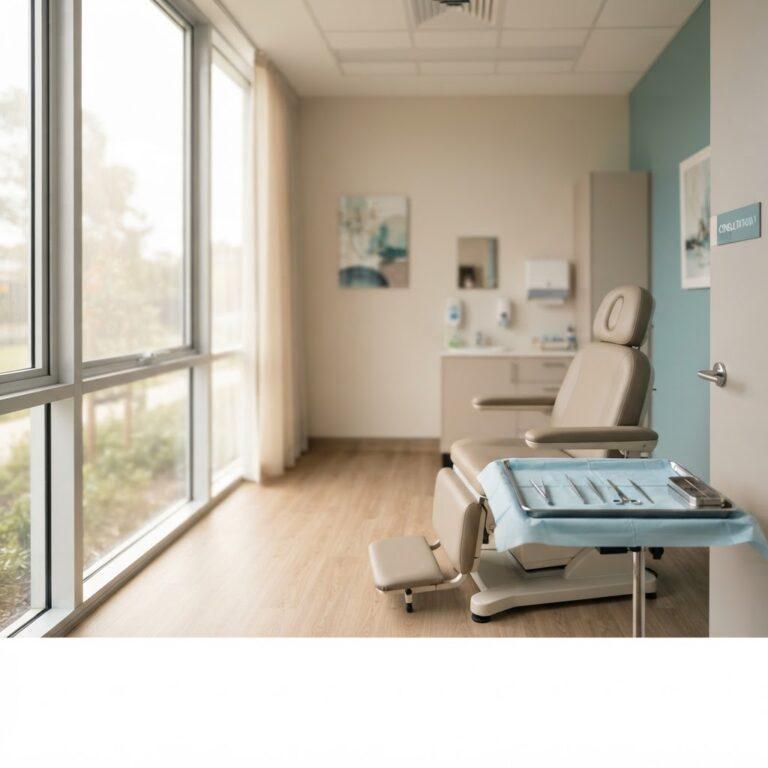
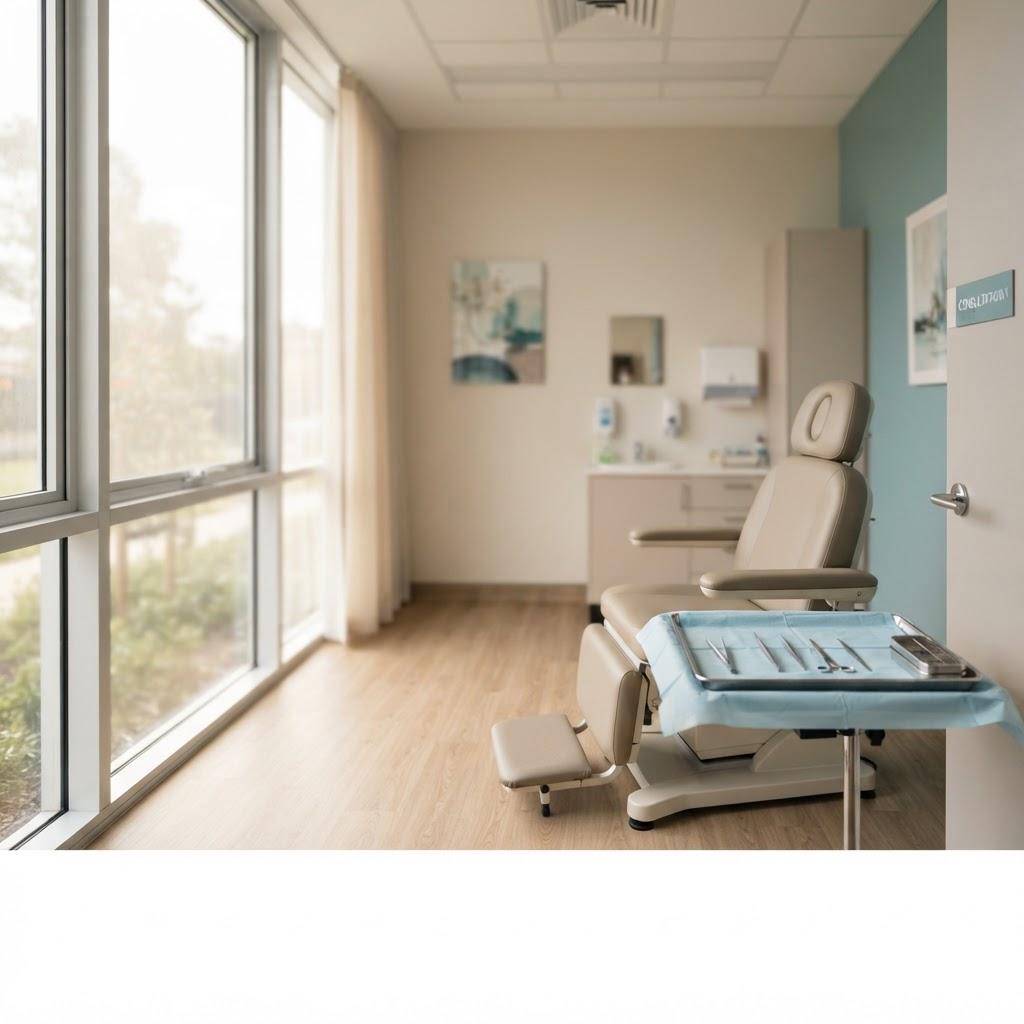
Minor surgery is usually done in a dedicated treatment room or minor operating suite. The atmosphere is calm and unhurried, and you’ll be looked after by a small team.
Preparing the area. Once you’re comfortably positioned, the skin is cleaned with antiseptic and the area is marked with a surgical pen. This marking is a key part of the planning: incisions are designed to follow the natural tension lines of your skin, so the final scar is as fine as possible.
Local anaesthetic. The anaesthetic is injected with a very fine needle. You’ll feel a brief sting for a few seconds, after which the area goes completely numb. Many patients describe this as the only uncomfortable part of the whole procedure. If you’re particularly anxious, let your surgeon know beforehand.
The procedure itself. What happens next depends on your specific operation:
- Excision – the lesion is cut out with a small margin of healthy skin, and the wound is closed with fine stitches
- Shave excision – raised lesions are shaved flush with the skin, leaving a flat surface that heals without conventional stitches
- Cyst or lipoma removal – a small incision is made over the lump and the cyst or lipoma is carefully removed intact, including its capsule, to reduce the chance of it returning
Most procedures take between 20 and 45 minutes. You’ll feel pressure and movement, but you should feel no pain. If you ever feel anything sharp, say so straight away and more anaesthetic can be given.
Wound closure. Fine stitches are placed with care for the best cosmetic result. Some are dissolvable; others are removed at a short follow-up appointment, usually within 5 to 14 days, depending on the site. A dressing is applied, and you’ll be given clear aftercare instructions before you leave.
Recovery: What the First Few Weeks Look Like
One of the biggest advantages of minor surgery is the speed of recovery. Most people return to normal light activities the same or next day.
- Days 0–2: The area may ache mildly once the anaesthetic wears off. Simple paracetamol is usually all that’s needed. Keep the dressing clean and dry.
- Days 3–7: Swelling and bruising settle. You can usually shower, gently patting the wound dry. Stitches may be removed around the 5–7 day mark.
- Weeks 2–4: The wound has usually healed. Strenuous exercise can be resumed gradually depending on the site and size of the excision.
- Months 1–12: The scar remodels continuously. Scars typically look their most pink and raised at 6–12 weeks, then fade and soften over the following months.
Practical tips that genuinely improve scars: keep the wound moist and covered in the early phase as instructed, avoid smoking, and once fully healed, massage the scar regularly with a plain moisturiser. Silicone gels or sheets can also help flatten and fade a healing scar. If your wound is in a sun-exposed area, protect it from the sun for at least a year, as sun can darken a new scar.
Are There Any Risks?
Minor surgery has a very low complication rate, but no procedure is entirely risk-free. It’s worth knowing the main ones:
- Bleeding and bruising – usually minor and settles on its own
- Infection – uncommon; signs include increasing redness, pain, warmth or discharge, and it’s easily treated if caught early
- Scarring – every excision leaves a scar; the aim is a fine, flat, pale scar that’s barely noticeable
- Recurrence – cysts and lipomas can occasionally return if any capsule cells are left behind, which is why complete excision matters
- Nerve irritation – rare, but a small area of numbness or tingling near the scar can occasionally occur
Your surgeon will discuss the risks specific to your lesion and location. Stitches that need removing are usually removed at a brief follow-up, and if there’s ever a concern during healing, the team is a phone call away.
What About Costs and Aftercare Appointments?
Private minor surgery pricing should be transparent from the outset. At your consultation you’ll receive a quotation that covers not just the procedure itself, but the whole episode of care. Before agreeing to anything, check that your quote includes:
- The consultation and any examination carried out on the day
- The surgical procedure, including local anaesthetic and use of the operating room
- All dressings and materials used during the procedure
- Stitch removal and any wound review appointments
- Laboratory histology fees, where the lesion is being sent for analysis
Ask explicitly about the last two items. Some providers quote only for the operation, and follow-up or histology fees appear later. A written all-inclusive price avoids surprises and lets you compare like with like. Most minor procedures are competitively priced precisely because they don’t require theatre time, overnight care or a general anaesthetic.
Aftercare is part of the treatment, not an optional extra. You should expect a clear point of contact for questions during healing, a stitches-out appointment if you have non-dissolvable sutures, and a scar review once healing is complete. If histology is performed, the results should be explained to you in plain English along with any implications for follow-up.
Why Have Your Procedure with a Specialist Surgeon?
Minor procedures are often available at general clinics, but there are real advantages in having them done by a consultant surgeon who specialises in skin lesions and reconstructive work in Birmingham.
The first is diagnostic judgement: a specialist can tell you whether a lesion truly needs removal, and if it does, send it for laboratory analysis so you get a definitive answer. The second is technique: careful planning of incision lines, meticulous closure and attention to scar care make a visible difference to the final result. The third is continuity: the person who plans your surgery performs it and reviews your scar afterwards.
Book Your Assessment
If you have a lump, lesion or scar you’d like assessed, the first step is a straightforward consultation. You’ll get an honest opinion on whether removal is right for you, a clear explanation of what’s involved, and a full quote before anything is booked. Call us on 07822 002890 or fill out our contact form to book your appointment.