Finding a new or changing mole can be unsettling. Even when a mole is harmless, it may catch on clothing, become irritated, or make you feel self-conscious about its appearance. Surgical mole removal is a common minor procedure, but knowing what will happen can make the decision feel much easier.
This guide explains what surgical mole removal involves, when it may be recommended, how a consultation works, what recovery is usually like, and how scars are managed. At Precision Surgery in Birmingham, every recommendation is made after an individual assessment rather than a one-size-fits-all approach.
What is surgical mole removal?
A mole, also called a naevus, is a collection of pigment-producing cells in the skin. Most moles are benign. Some people choose removal because a mole is raised, repeatedly rubbed, or cosmetically bothersome. In other cases, a GP or dermatologist may recommend assessment and removal because the mole has changed in size, shape, colour, or symptoms.
Surgical excision removes the mole, usually with a small margin of surrounding skin, and closes the area with stitches. The removed tissue may be sent for laboratory examination when clinically appropriate. This is different from simply cutting or burning a lesion away without obtaining a specimen, which may not be suitable for every mole.
It is important not to self-diagnose a changing mole. If you notice bleeding, persistent itching, rapid growth, marked colour variation, an irregular border, or a mole that looks noticeably different from the others, arrange a prompt review with a qualified clinician. A private surgical consultation is not a substitute for urgent medical assessment when cancer is suspected.
What happens at a mole removal consultation?
Your consultation is an opportunity to discuss both the medical and cosmetic aspects of removal. The surgeon will examine the mole, ask when you first noticed it, and discuss any changes or symptoms. They will also consider its size, depth, position, skin tension, and how it may best be removed and closed.
You should mention any medicines you take, allergies, previous problems with local anaesthetic, bleeding conditions, immune problems, and any history of prominent or keloid scarring. If you have photographs showing that a mole has changed, bring them to the appointment. These details help the surgeon plan safely.
The consultation should leave you clear about the proposed technique, likely scar, aftercare, histology if relevant, fees, and alternatives. Sometimes the best advice is observation or referral to another service rather than immediate excision. A responsible clinician will explain this if it applies to you.
How is a mole removed under local anaesthetic?
Most straightforward mole excisions can be performed as a day-case procedure using local anaesthetic. You remain awake, but the treatment area is numb. The procedure commonly takes around 30 to 45 minutes, although the exact time depends on the mole and the closure required.
- Preparation: the skin is cleaned and the area is marked. You can ask any last questions before treatment begins.
- Numbing: local anaesthetic is injected around the mole. There can be a brief stinging sensation, followed by numbness.
- Excision: the mole is removed through a carefully planned incision. The design may be elliptical so the wound can heal as a neat line.
- Closure: the wound is closed with appropriate sutures. Some stitches dissolve beneath the skin, while others may need removal at follow-up.
- Dressing: a protective dressing is applied and you receive written instructions before going home.
You should not feel sharp pain during the operation. You may notice pressure, pulling, or movement. Tell the surgeon immediately if anything feels painful so more local anaesthetic can be given. Once the dressing is secure and you feel well, you can usually leave the clinic the same day.
Mole removal recovery: the first few weeks
Recovery is usually manageable, but it is still important to follow the individual instructions you are given. Mild tenderness, tightness, bruising, swelling, or a small amount of staining on the dressing can occur during the first few days. Simple pain relief such as paracetamol may be enough for many patients, provided it is suitable for them.
First 48 hours
Keep the dressing clean and dry for the period advised by your surgical team. Avoid rubbing or picking the site, and take care when dressing. Rest is sensible, particularly if the mole was removed from an area that moves frequently or is under tension.
During the first week
Many people return to desk-based work quickly, depending on the location of the wound and their comfort. Strenuous exercise, swimming, and activities that stretch, soak, or knock the wound may need to be paused. Facial stitches are often removed sooner than stitches on areas such as the back or leg, but timing is decided individually.
After the wound has closed
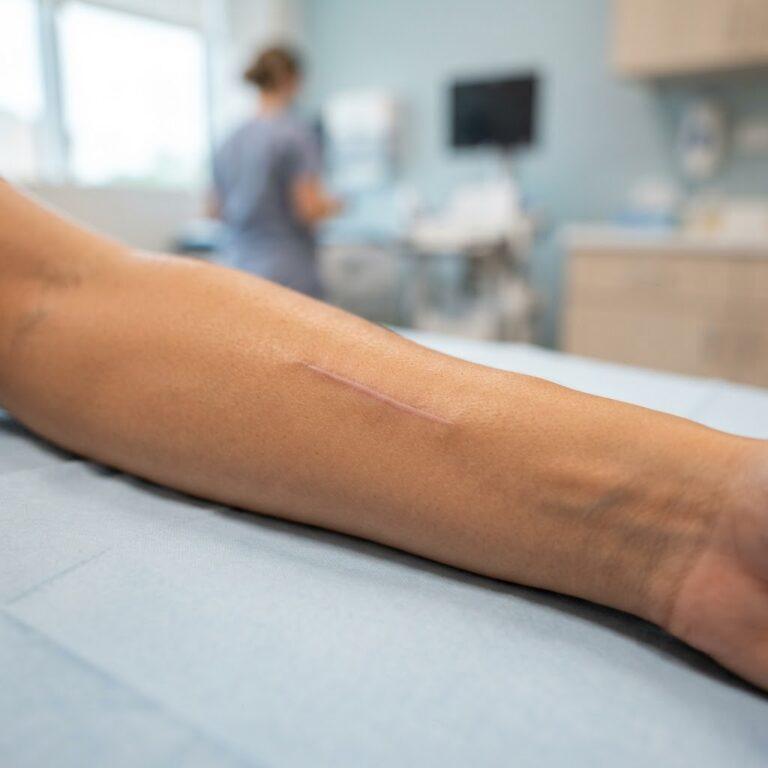
A scar commonly looks pink or darker at first and may feel firm or itchy as it matures. Scar maturation is gradual and can continue for many months. Once the wound is fully healed, your clinician may advise moisturising, gentle scar massage, silicone gel or silicone sheets, and careful sun protection. Do not apply products to an open or weeping wound unless specifically instructed.
Will mole removal leave a scar?
Any procedure that cuts through the skin leaves a scar, so it is important to weigh the existing mole against the line that will replace it. The final appearance depends on the mole’s size and depth, its position, your skin type, genetics, healing response, and how closely you follow aftercare advice.
During planning, the surgeon considers natural skin creases and tension lines where possible. A carefully closed wound may heal as a fine, flat line, but no clinician can guarantee an invisible scar. Some scars become raised, wide, darker, lighter, or more noticeable than expected. Tell your surgeon if you or close relatives have developed hypertrophic or keloid scars, as this may affect the discussion and aftercare plan.
Protecting a new scar from strong sunlight is particularly important. Once healed, use clothing or a high-factor sunscreen as advised, because ultraviolet exposure can make early scars remain darker for longer.
When should you contact the clinic after surgery?
Most wounds heal without difficulty, but contact your surgical team if pain, redness, warmth, swelling, or discharge is increasing rather than settling. You should also seek advice if the wound opens, bleeding does not stop with firm pressure, you develop a fever, or you are concerned about an allergic reaction to a dressing or medicine.
Do not wait for a routine appointment if you are worried. Early advice can often prevent a small problem becoming more difficult to manage. If the removed tissue is sent for analysis, the clinic will explain how and when you will receive the result.
How should you prepare for mole excision?
Preparation is generally straightforward. Unless your clinic tells you otherwise, you can usually eat and drink normally before a local-anaesthetic procedure. Wear comfortable clothing that gives easy access to the treatment area, and avoid applying make-up, creams, or self-tanning products directly over the mole on the day.
Tell the team about medicines and supplements before your appointment, especially anticoagulants, antiplatelet medicines, anti-inflammatory drugs, and products such as fish oil or herbal remedies. Do not stop prescribed medication yourself; the surgeon or prescribing clinician will advise you if any adjustment is needed. It is also helpful to plan a quieter evening after surgery and arrange help if the wound is in a difficult position or you are having more than one lesion treated.
Before booking, ask who will perform the procedure, where it will take place, what follow-up is included, and what happens if you need advice after the operation. Clear answers help you compare options and feel confident that your care is properly planned from consultation through recovery.
What are the risks of surgical mole removal?
Mole excision is usually a minor procedure, but every operation has risks. These can include bleeding, infection, delayed healing, temporary numbness, sensitivity, an allergic reaction to local anaesthetic, and a scar that is more noticeable than hoped. Rarely, a scar can become thickened or continue growing beyond the original wound, which is known as a keloid scar.
There is also a possibility that a mole cannot be removed in the way originally planned, or that further treatment or specialist review is recommended after laboratory analysis. These risks should be discussed during your consultation. The decision to proceed should be based on your own priorities and the surgeon’s assessment, not on a promise of a particular cosmetic result.
Book a mole removal consultation in Birmingham
If a mole is bothering you, catching on clothing, or has changed and needs professional assessment, the next step is an individual consultation. Mr Samuel George at Precision Surgery discusses the safest appropriate option, the expected recovery, and the likely scar before you decide whether to proceed.
Call us on 07822 002890 or fill out our contact form to book your appointment. Precision Surgery is based at 88 Hagley Road, Birmingham, B16 8LU.
This article is for general information and does not replace an examination or personalised medical advice. Your surgeon will discuss the risks, benefits, alternatives, and aftercare that apply to you.
Related treatment: plastic surgery treatments and prices in Birmingham.