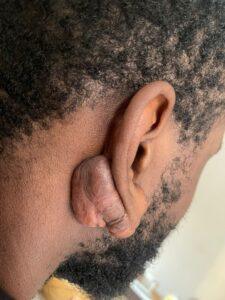
Ear keloids are becoming an increasingly common presentation in plastic surgery clinics across the UK. With rising piercing trends, particularly multiple lobe and cartilage piercings, more patients are seeking treatment for raised, symptomatic scars that develop months — or even years — after the original piercing.
At Precision Surgery Clinic in Birmingham, we regularly assess and treat patients concerned about ear keloids, offer piercing scar treatment in the way of offering both surgical and non-surgical management options.
Several factors are contributing:
Stacked lobe piercings and cartilage piercings increase trauma exposure and scar risk.
Earlier piercing means longer lifetime risk of keloid development.
Blunt-force trauma from guns may increase abnormal scarring risk in predisposed individuals.
More patients now recognise family patterns and seek treatment earlier.
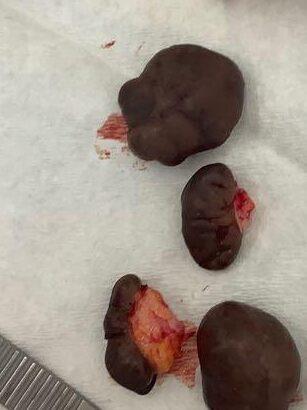
Ear keloids present unique challenges:
This is why combination therapy is often preferred over single-modality treatment.
Current best practice to treat keloids after ear piercing typically includes:
At our clinic, excision is performed under local anaesthetic as a day case procedure, with adjunctive steroid therapy to reduce recurrence risk.
Yes — recurrence remains the most important consideration in keloid treatment and earlobe scar surgery.
No intervention eliminates risk entirely, which is why structured follow-up and early steroid therapy are critical parts of long-term management. Keloid recurrence prevention includes a multimodal approach which your surgeon will discuss with you. This includes steroid injections, silicone tapes, silicone gel, pressure clips, and surgery.
You should consider assessment if your ear scar is:
Early intervention often allows more controlled treatment.
We provide:
Patients may also submit photographs for preliminary review before consultation.
If you are concerned about an ear keloid, early assessment can help guide treatment options and recurrence prevention strategies.
Contact Precision Surgery Clinic in Edgbaston, Birmingham to arrange a consultation or remote review. Whatsapp 077822002890 now for a quote.