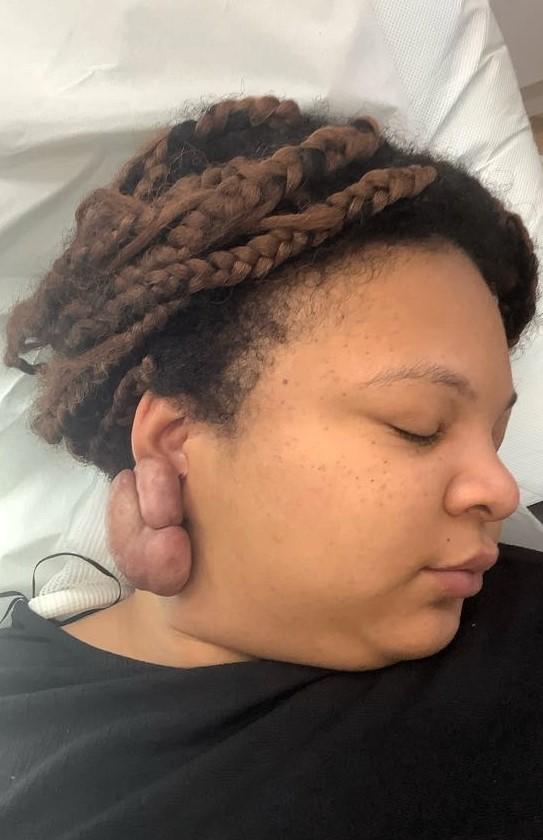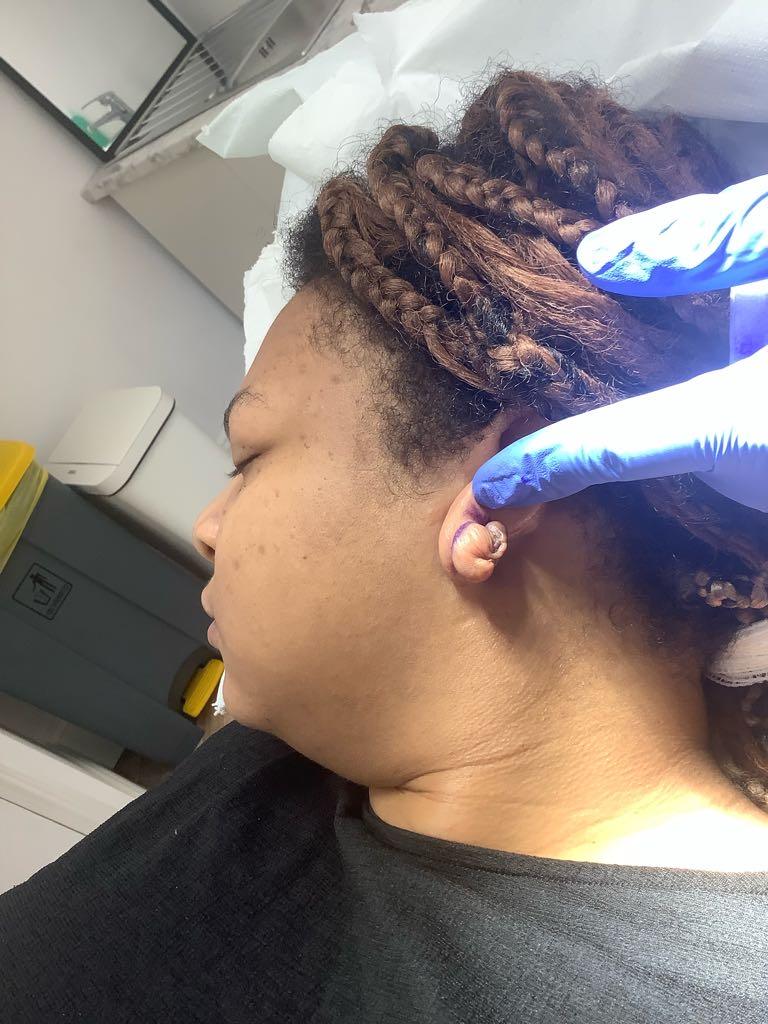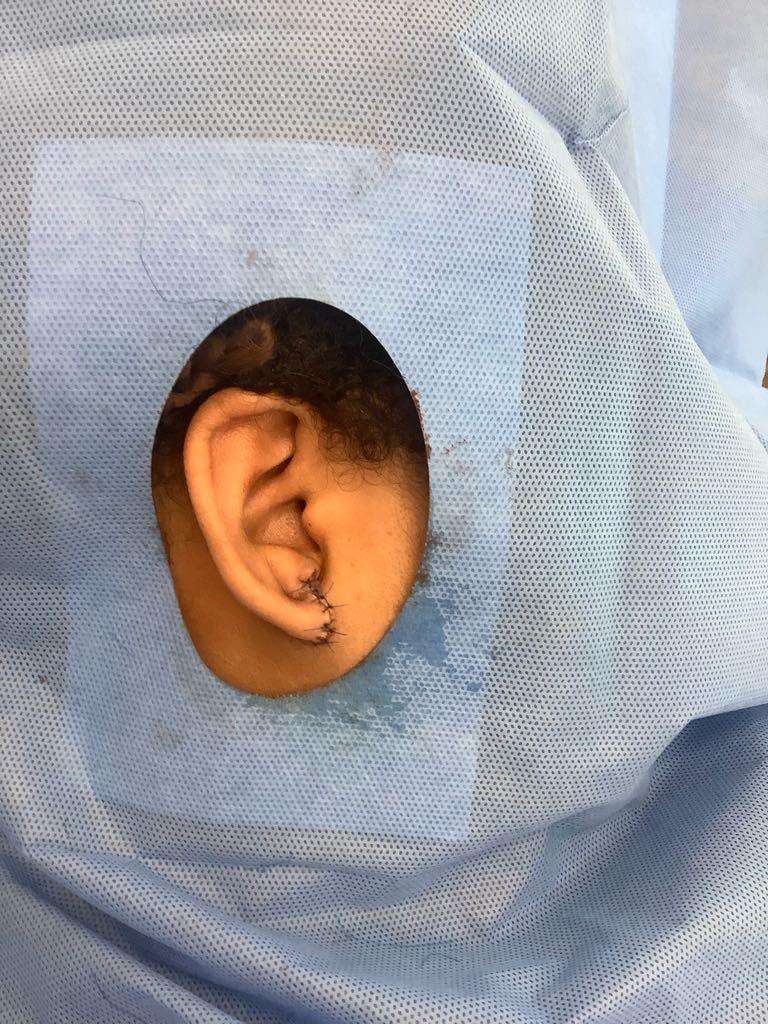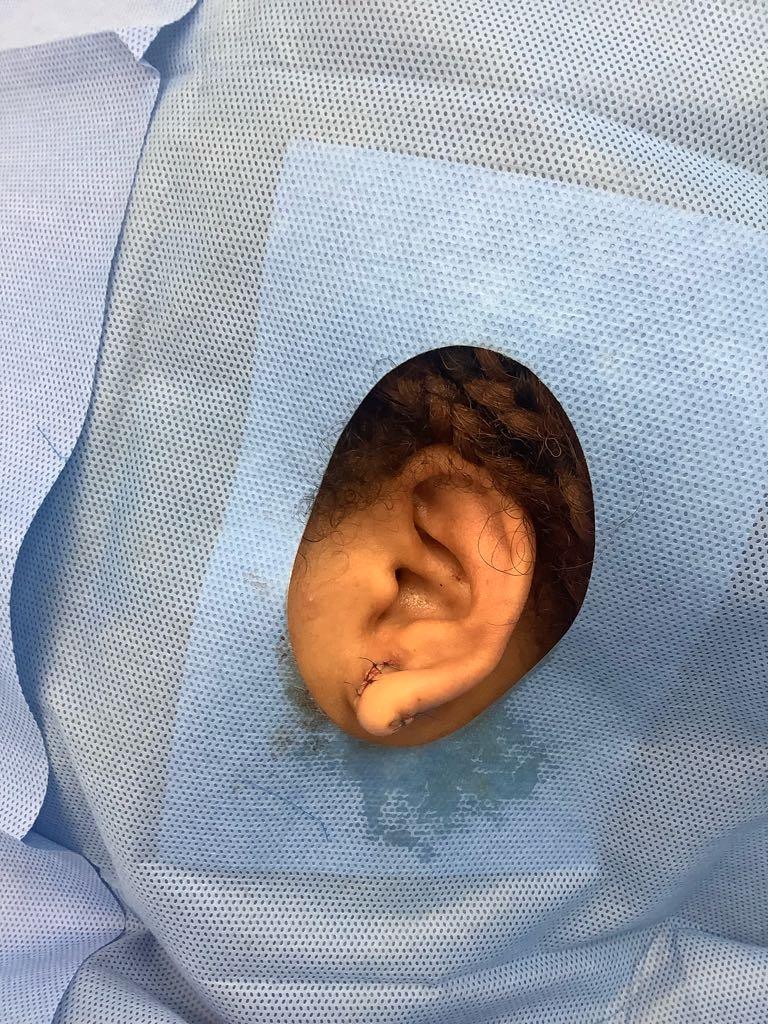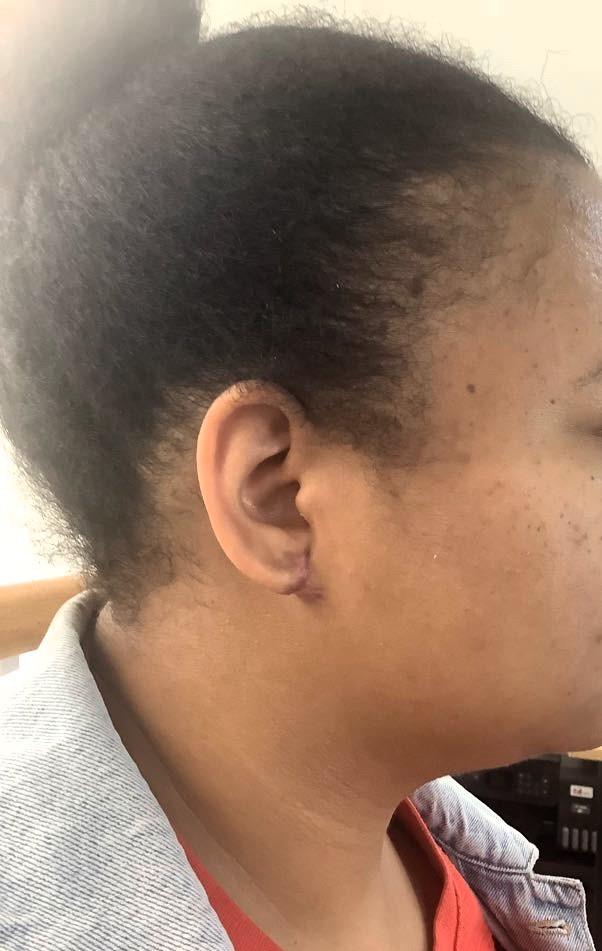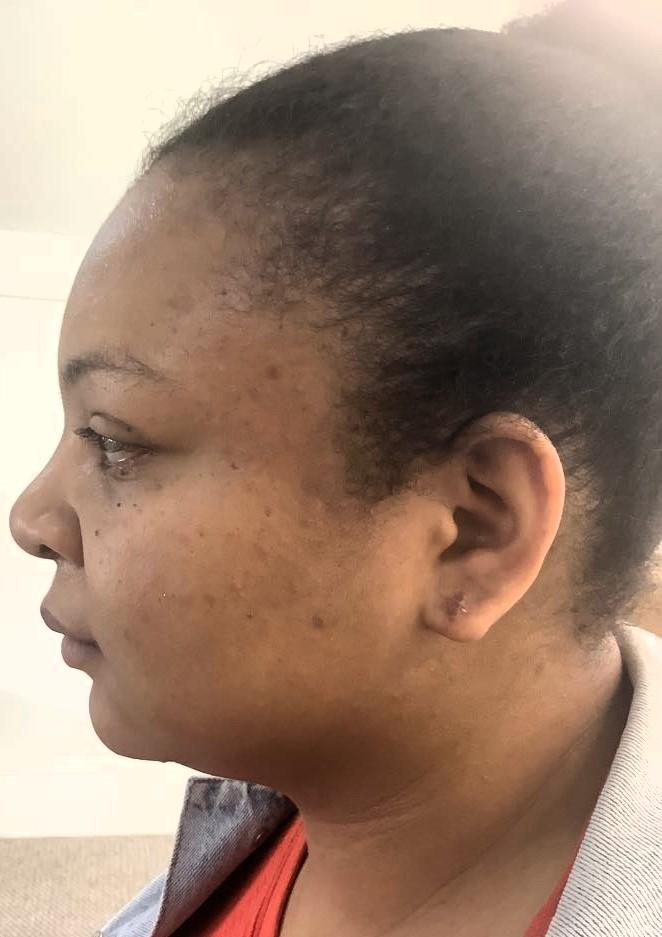
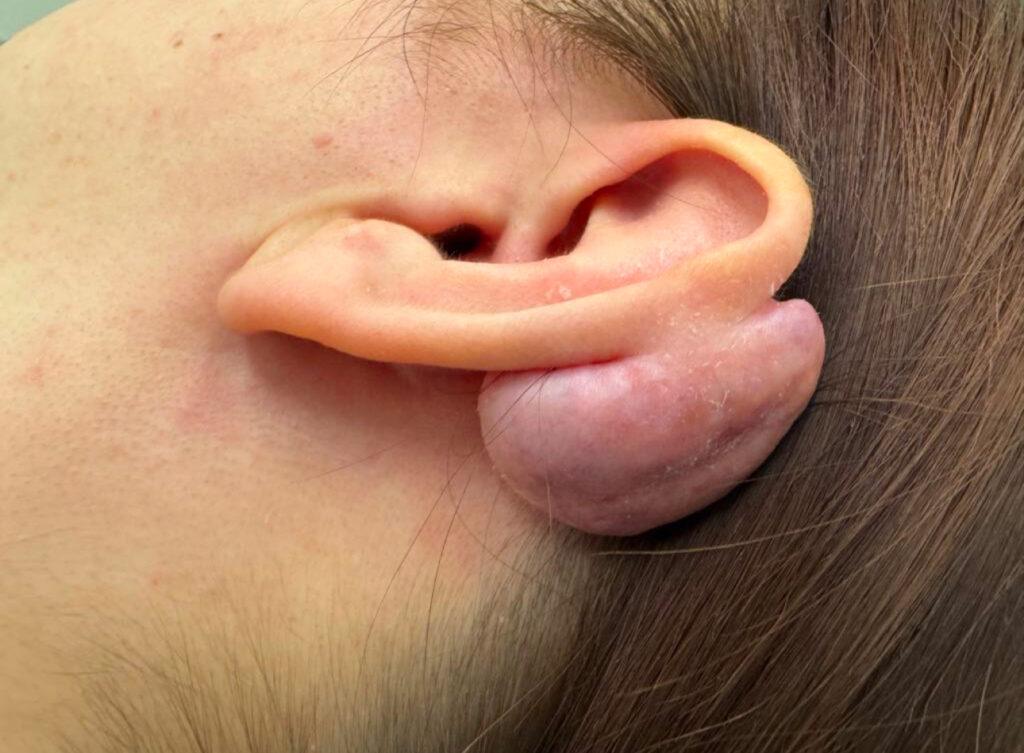
Are you looking for Keloid Removal in Birmingham? Our plastic surgeon has extensive experience in the management of keloid scars, having treated a large number of cases across a range of anatomical sites — including earlobes, chest, shoulders and previous surgical scars.
Using a structured, combination-therapy approach, we aim to reduce scar bulk, improve symptoms and minimise the risk of recurrence.
While keloids carry an inherent recurrence risk regardless of treatment method, our audited outcomes demonstrate a low recurrence rate when surgery is combined with adjunctive therapy and appropriate follow-up.
In most cases, treatment involves careful surgical excision of the keloid under local anaesthetic, followed by intralesional steroid injection at the time of surgery.
Steroid therapy helps to:
Reduce inflammatory activity
Suppress excessive collagen formation
Lower recurrence risk
Improve long-term scar quality
Additional follow-up injections may be recommended depending on scar behaviour during healing. Contact us now for keloid removal in Birmingham.
The fee for a standard keloid excision — including procedure and follow-up care — starts from:
£700
This includes:
Surgical excision under local anaesthetic
Immediate steroid injection
Routine follow-up appointments
Additional steroid injections if required during the follow-up period
Complex or large keloids may require an individualised quote.
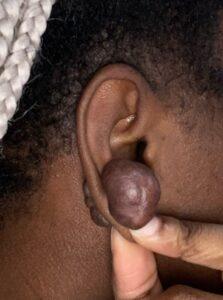
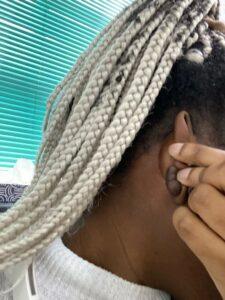
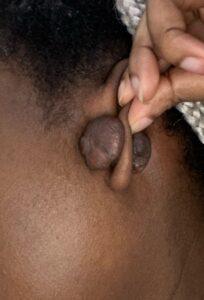
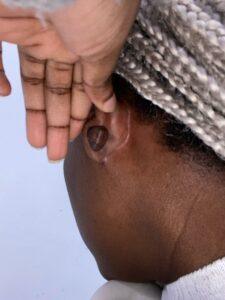
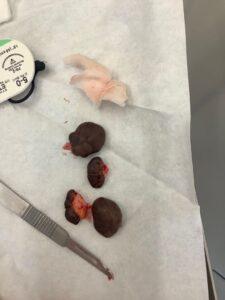
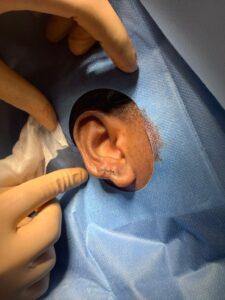
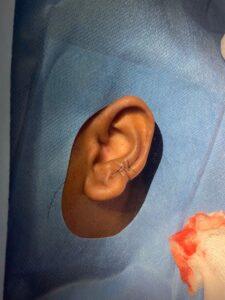
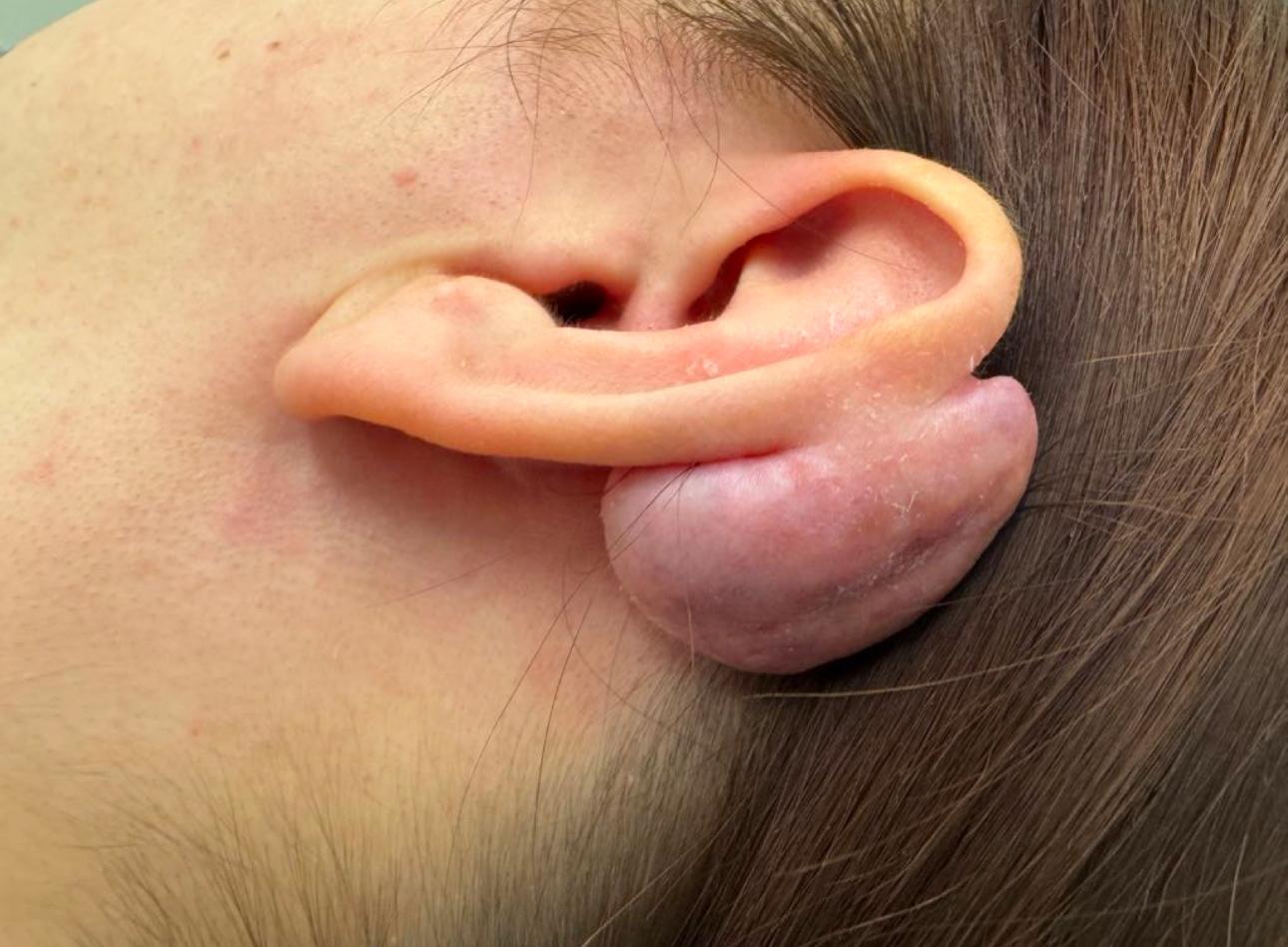
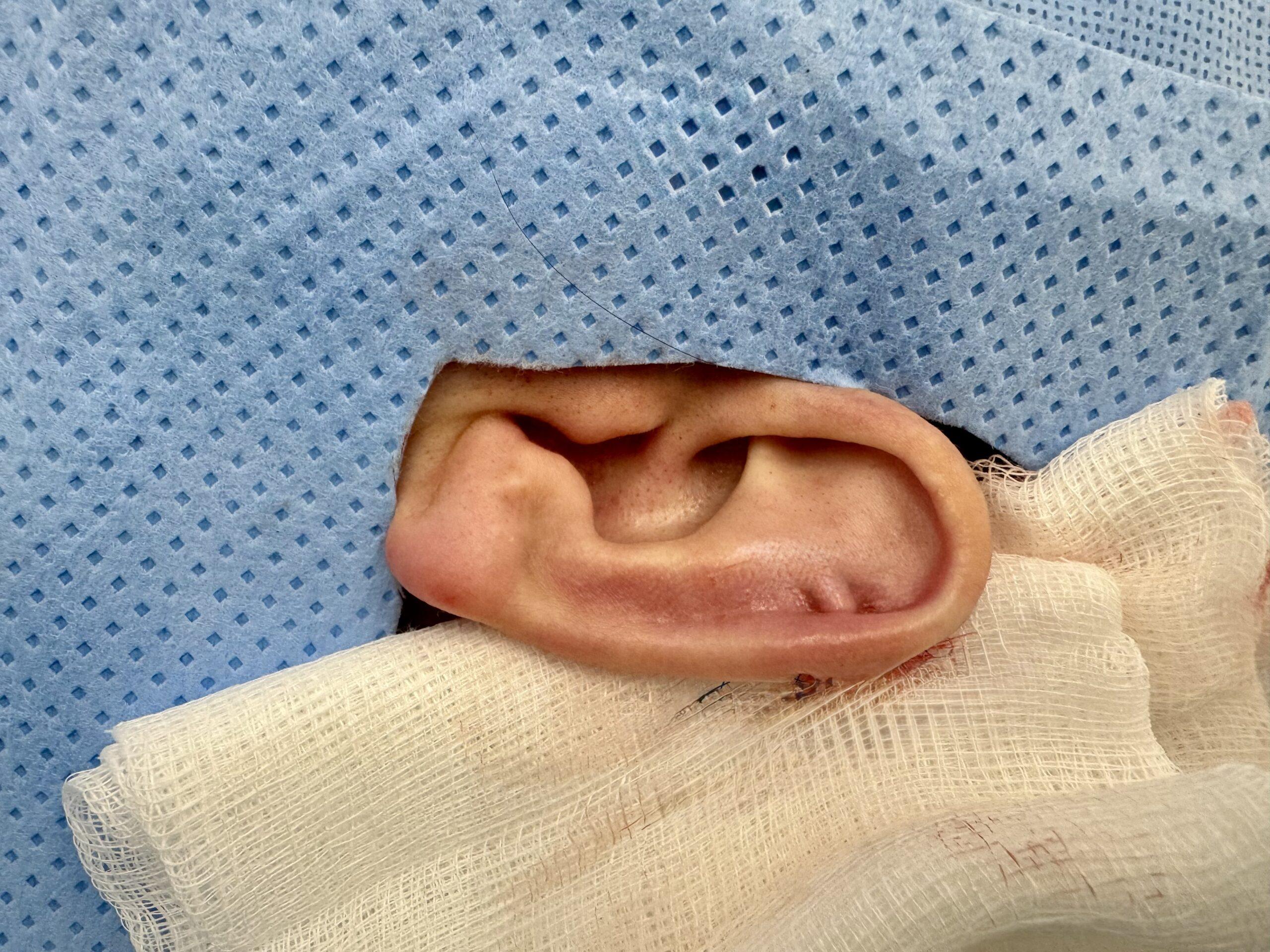
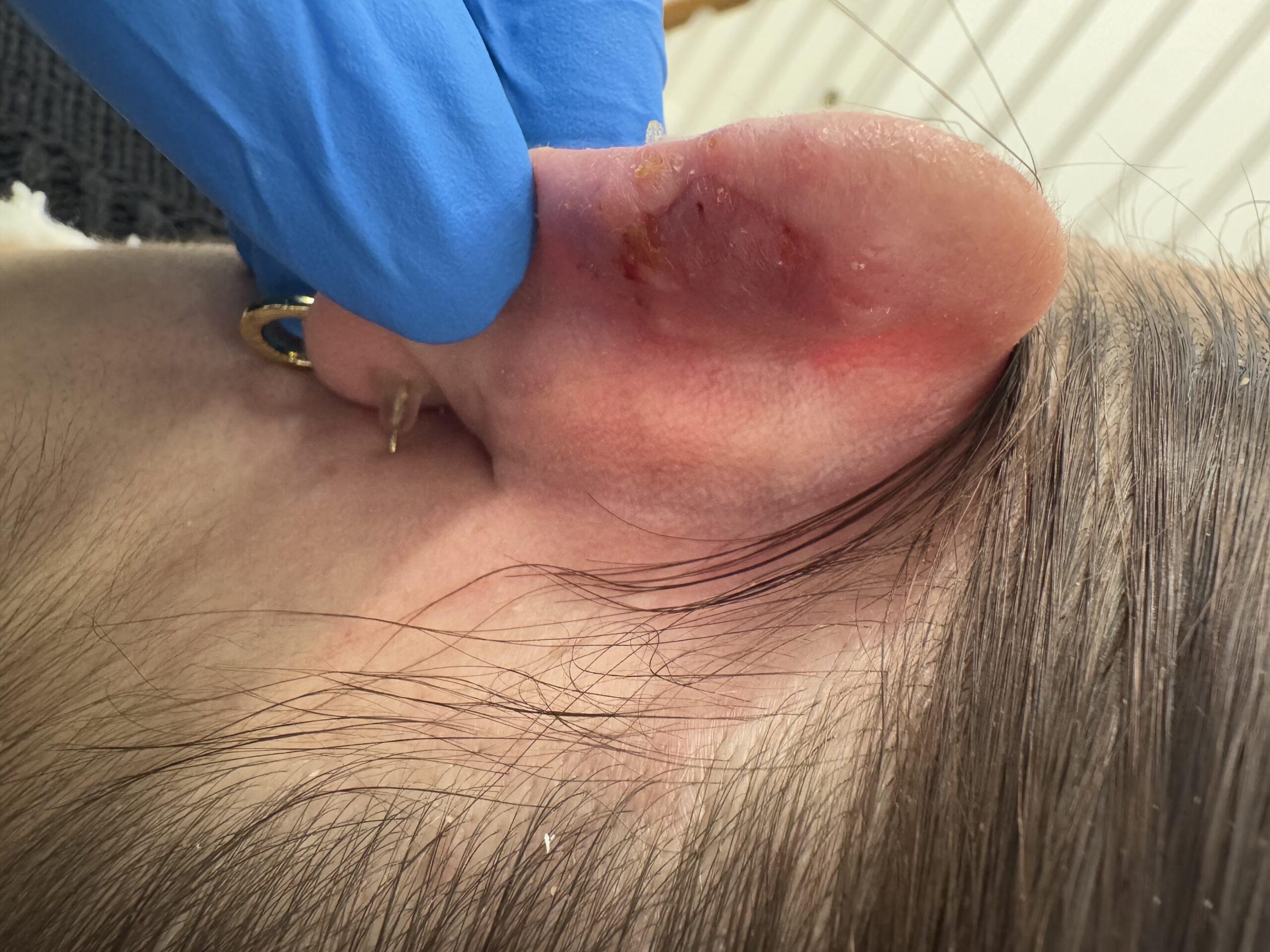
A keloid is an overgrowth of scar tissue that extends beyond the original wound boundary. Unlike hypertrophic scars, keloids do not regress naturally and may continue to enlarge over time.
They occur due to excessive collagen production during wound healing. Genetic predisposition, skin tension and anatomical site all play a role.
Yes — ear piercing is one of the most frequent causes of keloid formation, particularly on the earlobe and helix.
Surgery alone carries a higher recurrence risk. Combination therapy — excision plus steroid injections — is widely considered more effective.
Keloids have an inherent recurrence risk regardless of treatment. Combination protocols and structured follow-up help reduce this risk significantly.
Treatment is performed under local anaesthetic, so the procedure itself is typically well tolerated.
Most patients return to normal daily activities within a few days, with wound healing over 1–2 weeks and scar maturation over several months.
Yes — follow-up care, including steroid injections where clinically indicated, is included within the treatment package.
For more information or to schedule an appointment, get in touch today.
Company Registration No. 14441477